

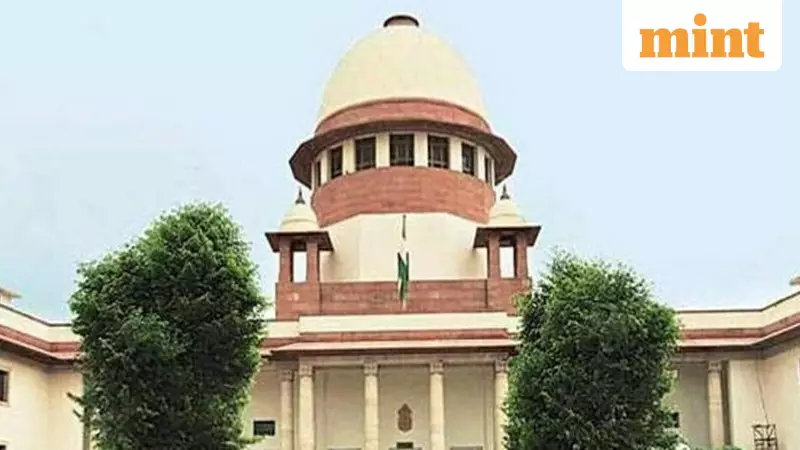
The Supreme Court of India delivered a divided judgment on Tuesday concerning a crucial provision in the country's anti-corruption legislation. The bench examined the constitutional validity of Section 17A of the Prevention of Corruption Act, which mandates prior approval before initiating any investigation against a public servant.
Contrasting Judicial Opinions
Justice BV Nagarathna declared the provision unconstitutional and called for its removal from the statute book. She argued that the requirement for prior sanction contradicts the fundamental purpose of the Prevention of Corruption Act. According to Justice Nagarathna, this procedural hurdle effectively blocks proper inquiries and provides protection to corrupt individuals within the public service system.
Dissenting Viewpoint
Justice KV Viswanathan presented a contrasting perspective by upholding the validity of Section 17A. He emphasized the importance of safeguarding honest public officials from unnecessary harassment through frivolous investigations. Justice Viswanathan cautioned that striking down this provision would be counterproductive, suggesting that such action would eliminate necessary protections along with potential flaws.

Legal Background and Implications
Section 17A was introduced through amendments to the Prevention of Corruption Act in July 2018. This provision specifically prohibits any inquiry, investigation, or probe against public servants for actions taken in their official capacity without obtaining prior approval from the competent authority. The legal challenge reached the Supreme Court through a Public Interest Litigation filed by the Centre for Public Interest Litigation, a non-governmental organization.
Next Steps in Legal Process
With the two-judge bench delivering conflicting opinions, the matter will now proceed to Chief Justice of India Surya Kant. The Chief Justice will constitute a larger bench to rehear the case and deliver a final verdict. This development ensures that the constitutional question surrounding investigation procedures for public servants will receive further judicial scrutiny before reaching a conclusive determination.
The split verdict highlights the ongoing tension between ensuring effective anti-corruption measures and protecting public officials from potentially malicious investigations. Legal experts anticipate that the larger bench's eventual decision will have significant implications for India's anti-corruption framework and governance standards.






