

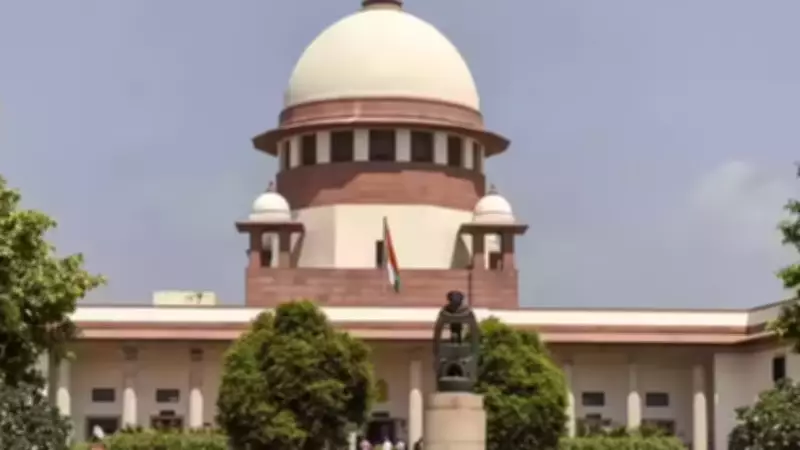
Supreme Court Intervenes in Amit Jogi Murder Case, Stays Life Sentence
In a significant legal development, the Supreme Court of India has issued a stay on a Chhattisgarh High Court order that had previously sentenced Amit Jogi to life imprisonment. This ruling pertains to the high-profile 2003 murder case of Ramavtar Jaggi, a case that has spanned over two decades and involved multiple judicial reviews.
Background of the Case
The origins of this case trace back to June 2003, when Ramavtar Jaggi was fatally shot in an incident that shocked the region. Amit Jogi, who is the son of former Chhattisgarh Chief Minister Ajit Jogi, was implicated in the murder. Initially, in 2007, a special court acquitted Jogi due to a lack of sufficient evidence, a decision that was met with controversy and further legal challenges.
Following the acquittal, the Central Bureau of Investigation (CBI) and the family of the victim pursued appeals to overturn the verdict. However, in 2011, the Chhattisgarh High Court dismissed these challenges, upholding the special court's decision. The recent High Court order that imposed a life sentence on Jogi marked a dramatic reversal, leading to the current Supreme Court intervention.

Legal Implications and Current Status
The Supreme Court's stay order effectively halts the enforcement of the life sentence pending further review. This move underscores the complexities and prolonged nature of the judicial process in India, especially in cases involving prominent political figures. Legal experts suggest that the stay could lead to a fresh examination of the evidence and legal arguments presented over the years.
Key points to note:
- The case involves a murder that occurred in 2003, with Amit Jogi as the accused.
- Jogi was acquitted in 2007 by a special court, but later faced a life sentence from the High Court.
- The Supreme Court has now stayed this sentence, indicating potential further legal proceedings.
As this is a developing story, additional details are expected to emerge as the Supreme Court reviews the matter. The outcome could have significant ramifications for the legal landscape in Chhattisgarh and beyond, highlighting the ongoing efforts to ensure justice in long-pending cases.






