Supreme Court Intervenes in Pawan Khera's Bail Case
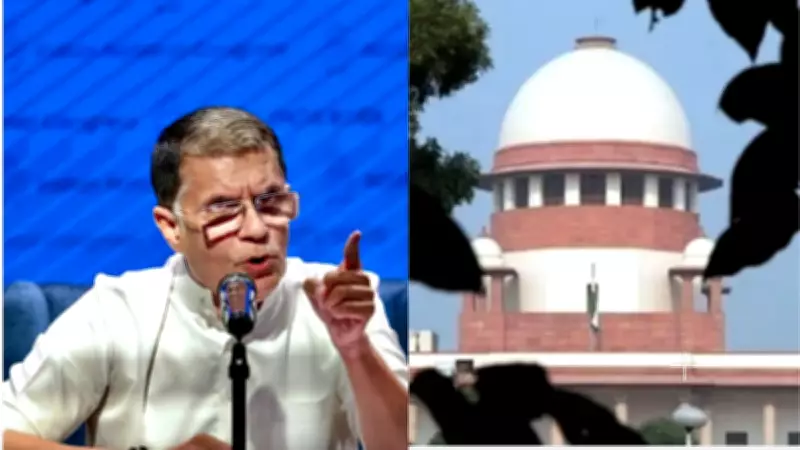
In a significant legal development, the Supreme Court of India has issued a stay on an order from the Telangana High Court that granted one-week transit anticipatory bail to Congress spokesperson Pawan Khera. This decision marks a pivotal moment in the ongoing legal proceedings involving the political figure.
Background of the High Court's Ruling
On April 10, 2026, the Telangana High Court had ruled in favor of Khera, providing him with a one-week period of transit anticipatory bail. This bail was granted under specific conditions, which included:
- Requiring Khera to cooperate fully with investigative authorities during the bail period.
- Mandating that he not leave the jurisdiction without prior court permission.
- Directing him to file a formal application before the concerned court within the one-week timeframe to seek further legal relief.
The high court's decision was aimed at offering temporary protection to Khera, allowing him time to address legal matters without immediate risk of arrest while traveling or appearing before courts.

Supreme Court's Stay Order
The Supreme Court's intervention came swiftly, with the stay order effectively halting the implementation of the Telangana High Court's bail grant. This action underscores the apex court's authority to review and modify lower court decisions, especially in cases involving high-profile individuals or complex legal issues.
Legal experts suggest that the stay may be due to concerns over the procedural aspects of the bail or potential implications for ongoing investigations. The Supreme Court is expected to hear detailed arguments from both sides before making a final determination on the matter.
Implications for Pawan Khera and Legal Precedents
For Pawan Khera, this development adds a layer of uncertainty to his legal situation. While the stay does not immediately revoke the bail, it suspends its effects until the Supreme Court provides further clarity. Khera must now await the apex court's proceedings, which could influence his ability to avoid arrest during this period.
This case also highlights broader legal principles, such as:
- The balance between individual rights and state investigative powers in anticipatory bail matters.
- The role of higher courts in overseeing lower court rulings to ensure consistency with legal standards.
- The procedural timelines and conditions attached to transit bail, which are critical for fair legal processes.
As the situation unfolds, stakeholders from political and legal circles are closely monitoring the Supreme Court's actions, which could set important precedents for similar cases in the future.