

Supreme Court Directs Union Home Secretary to Appear Over Police Station CCTV Issue
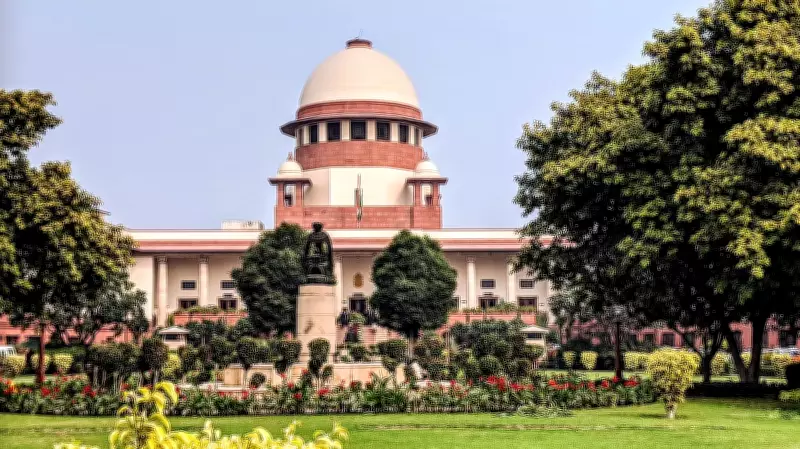
The Supreme Court of India has taken a firm stance on the critical issue of non-functional CCTV surveillance systems in police stations nationwide. In a significant development, a bench comprising Justices Vikram Nath and Sandeep Mehta has issued a directive for the Union Home Secretary to personally appear before the court on Tuesday. This order was passed during a hearing on Monday, as the court continues to address a suo motu case that highlights the alarming lack of operational CCTV cameras in police facilities.
Court's Suo Motu Action on Surveillance Failures
The bench's decision underscores the judiciary's proactive approach to ensuring transparency and accountability within law enforcement agencies. The suo motu case, initiated by the court itself, focuses on the widespread failure to maintain functional CCTV systems in police stations, which are essential for monitoring activities and preventing human rights abuses. By summoning the Union Home Secretary, the Supreme Court is emphasizing the urgency of this matter and seeking direct accountability from the highest levels of the government.
Justice Vikram Nath and Justice Sandeep Mehta presided over the hearing, where they expressed deep concern over the implications of such surveillance gaps. The absence of working CCTV cameras not only hampers investigations but also raises serious questions about the protection of citizens' rights and the integrity of police operations. The court's move to involve the Home Secretary directly indicates that this is not merely a technical issue but a fundamental governance challenge requiring immediate intervention.

Implications for Law Enforcement and Public Trust
This development has far-reaching consequences for India's law enforcement framework. Functional CCTV systems in police stations are crucial for:
- Enhancing transparency in police interactions with the public.
- Providing evidence in cases of misconduct or disputes.
- Deterring illegal activities within police premises.
- Building public trust in the justice system.
The Supreme Court's intervention highlights a systemic failure that could undermine these objectives. By ordering the Home Secretary's appearance, the court is pushing for a comprehensive review and swift resolution to ensure that all police stations are equipped with reliable surveillance technology.
The hearing on Tuesday is expected to delve into the reasons behind the non-functional CCTVs and outline actionable steps for remediation. This case serves as a reminder of the judiciary's role in upholding constitutional values and safeguarding citizens' rights through vigilant oversight of executive functions.






