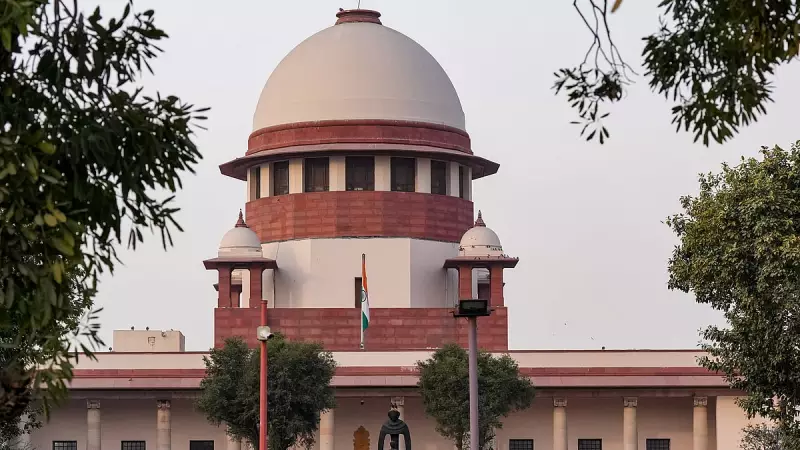
The Supreme Court of India has taken up a significant legal question. It will examine whether the Enforcement Directorate possesses the authority to file petitions before high courts as a juristic person under Article 226 of the Constitution.
Court Issues Notice on State Appeals
A bench of Supreme Court justices has formally issued notice to the Enforcement Directorate. This action comes in response to appeals filed by the state governments of Kerala and Tamil Nadu. These appeals challenge a specific order passed by the Kerala High Court.
The Core Legal Dispute
The central issue revolves around the Enforcement Directorate's legal standing, or locus standi. The Kerala High Court had previously upheld the ED's right to file writ petitions under Article 226. The state governments are now contesting this decision before the nation's highest court.

Article 226 grants high courts the power to issue certain writs. The question is whether a central agency like the ED can approach these courts in its capacity as a juristic person. This legal distinction is crucial for determining the procedural validity of such petitions.
Implications of the Review
This Supreme Court review carries substantial implications for federal agency operations. A final ruling will clarify the procedural boundaries for central investigative bodies. It will define how they can seek judicial remedies in high courts across the country.
The bench's decision to hear the case indicates the legal complexity involved. Both state governments have raised serious objections to the Kerala High Court's order. They argue it may set an incorrect precedent for agency powers.
Legal experts are watching this development closely. The outcome could influence how other central agencies interact with state high courts. It touches upon the balance of power between central authorities and state jurisdictions.
The Supreme Court will now examine the arguments from all sides. Its final judgment will provide much-needed clarity on this constitutional matter. The proceedings mark another important chapter in India's ongoing judicial interpretation of agency powers.