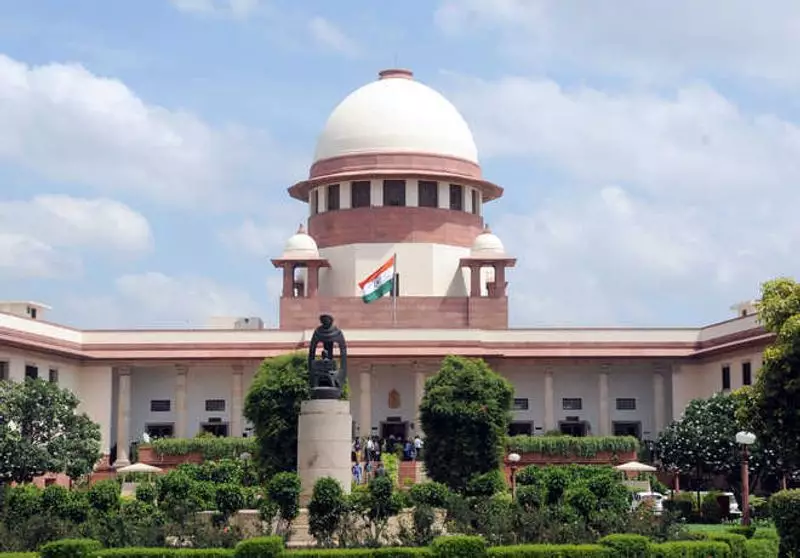
Supreme Court to Examine ED's Use of Article 226 in Approaching High Courts
The Supreme Court of India has decided to take a closer look at a significant legal issue. It will examine whether the Enforcement Directorate (ED) can move High Courts under Article 226 of the Constitution. This move comes amid ongoing debates about the agency's powers and procedures.
What Is Article 226?
Article 226 of the Indian Constitution grants High Courts the power to issue writs. These writs include habeas corpus, mandamus, prohibition, quo warranto, and certiorari. They are essential tools for protecting fundamental rights and ensuring justice. The provision allows individuals and entities to seek relief directly from High Courts in cases of rights violations or legal overreach.
Why This Examination Matters
The Enforcement Directorate often investigates financial crimes like money laundering. In many cases, the ED approaches High Courts under Article 226 to seek orders or challenge decisions. However, questions have arisen about whether this practice aligns with constitutional principles. Critics argue it might overextend the agency's reach. Supporters say it is necessary for effective enforcement.

The Supreme Court's examination will focus on the legal boundaries. It will assess if the ED's actions under Article 226 are permissible. This review could impact how the agency operates in future cases. Legal experts are watching closely, as the outcome may set important precedents.
Potential Implications
If the Supreme Court rules against the ED's use of Article 226, it could limit the agency's options. The ED might need to rely more on other legal avenues. This could slow down some investigations or require different strategies. On the other hand, a favorable ruling could strengthen the ED's hand. It might allow more flexibility in tackling complex financial crimes.
The case highlights broader issues about law enforcement and constitutional rights. It touches on the balance between state power and individual liberties. As India continues to combat corruption and financial offenses, such legal clarifications are crucial.
Next Steps
The Supreme Court has not set a specific timeline for this examination. It will likely hear arguments from both sides in the coming months. The ED and other stakeholders will present their cases. The court's decision will then provide much-needed clarity on this contentious topic.
This development underscores the judiciary's role in interpreting the Constitution. It ensures that all agencies, including the ED, operate within legal frameworks. For now, the legal community and the public await further proceedings with keen interest.