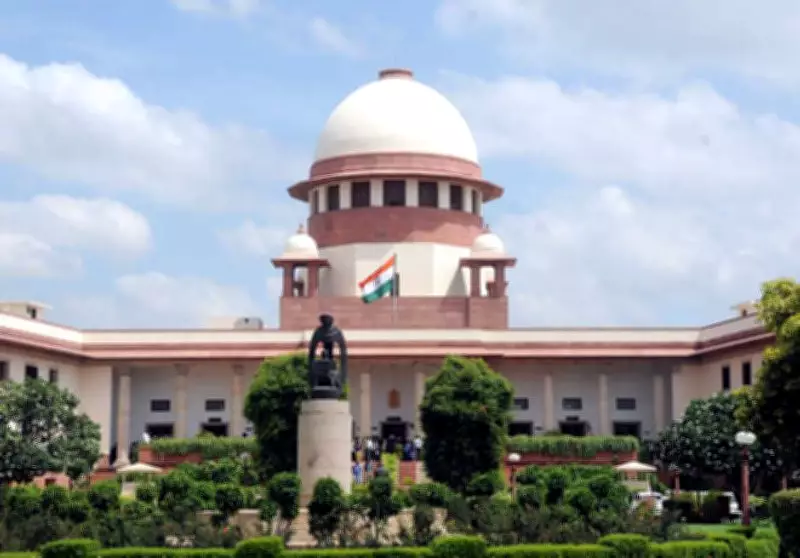
The Supreme Court of India has agreed to hear a plea that seeks to restrict the issuance of Aadhaar cards to children up to the age of six years. The petition raises significant concerns regarding the privacy and data security of young children, arguing that the mandatory collection of biometric data for minors could have long-term implications.
Background of the Petition
The plea, filed by a group of activists and legal experts, contends that the current practice of issuing Aadhaar to children under six violates their fundamental right to privacy. It points out that children at such a young age cannot consent to the collection of their biometric information, and parents may not fully understand the potential risks associated with storing such data in a centralized database.
Legal Arguments
The petitioners argue that the Aadhaar Act, 2016, and its amendments do not adequately safeguard children's data. They emphasize that the Unique Identification Authority of India (UIDAI) collects iris scans and fingerprints from children, which could be misused if the database is breached. The plea seeks a direction that Aadhaar enrollment for children below six should be voluntary and not linked to any government benefits or services.

In response, the government has defended the current policy, stating that Aadhaar helps in delivering subsidies and welfare schemes directly to beneficiaries, including children. It argues that the biometric data is encrypted and stored securely, with strict protocols to prevent misuse.
Supreme Court's Stance
The Supreme Court bench, led by the Chief Justice of India, has scheduled the hearing for next month. The court will examine whether the mandatory collection of biometric data from children violates their right to privacy under Article 21 of the Constitution. This case is seen as a crucial test for India's data protection framework, especially concerning minors.
Previous Judgments on Aadhaar
In 2018, the Supreme Court upheld the constitutional validity of Aadhaar but imposed certain restrictions, such as making it not mandatory for bank accounts or mobile connections. However, the court allowed its use for government welfare schemes. The current plea seeks to extend these protections to children under six.
Legal experts believe that the outcome of this case could set a precedent for how biometric data of children is handled in India. The court may also consider international standards, such as the United Nations Convention on the Rights of the Child, which emphasizes the protection of children's privacy.
Implications for Parents and Government
If the court restricts Aadhaar issuance to children under six, parents may have to provide alternative documents for accessing welfare benefits. The government might need to revisit its digital infrastructure to ensure that children's rights are not compromised while maintaining the efficiency of public services.
The hearing is expected to attract widespread attention from civil society groups, technology experts, and policymakers. The Supreme Court's decision will likely influence future policies on biometric data collection for minors in India.