

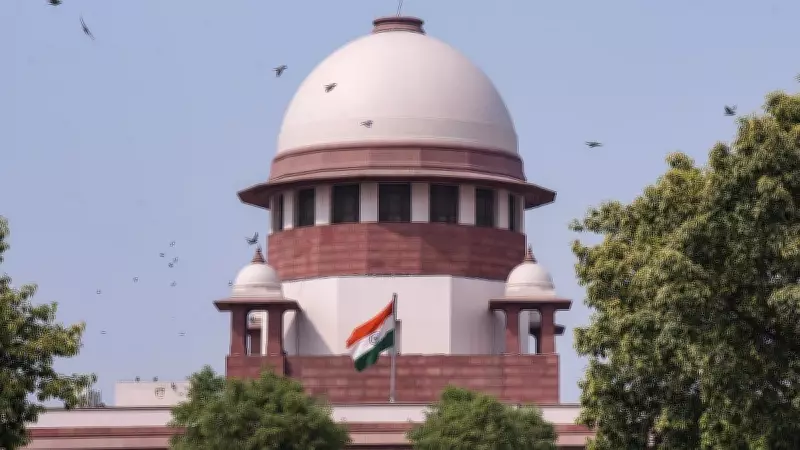
Supreme Court Takes Suo Motu Action, Transfers Malda Gherao Case to National Investigation Agency
In a significant development highlighting judicial intervention in state affairs, the Supreme Court of India has exercised its plenary powers to transfer the controversial Malda gherao case to the National Investigation Agency (NIA). This decision comes amid reports that seven judicial officials were held captive for over seven-and-a-half hours by protesters at the Block Development Officer (BDO) office in Malda, West Bengal.
Court Rebukes Bengal Chief Secretary for Ignoring High Court Call
The apex court also pulled up the Chief Secretary of West Bengal for failing to take a call from the Chief Justice of the Calcutta High Court. This incident has raised serious concerns about the responsiveness of state administrative machinery to judicial authorities during emergencies.
The Malda incident involved judicial officials who were working on voter lists when they were reportedly gheraoed by a group of protesters. The officials were allegedly held captive for an extended period, disrupting electoral preparation work and posing a threat to their safety.

Supreme Court Invokes Plenary Power for Case Transfer
Exercising its constitutional authority, the Supreme Court decided to transfer the case to the NIA, citing the need for an impartial investigation given the gravity of the allegations. The NIA, which typically handles terrorism-related cases, will now investigate the circumstances surrounding the captivity of judicial officials.
This move underscores the court's commitment to ensuring that cases with potential implications for national security and judicial independence are handled by specialized agencies.
Broader Implications for State-Judiciary Relations
The court's criticism of the Bengal chief secretary highlights ongoing tensions between state governments and the judiciary in India. Key aspects of this development include:
- Accountability of State Officials: The incident raises questions about the protocol for state officials responding to judicial communications, especially during crises.
- Judicial Oversight: The Supreme Court's intervention demonstrates its role in overseeing law and order situations that may affect democratic processes like voter list preparation.
- Security of Judicial Personnel: The case brings attention to the safety of judicial officials performing their duties, particularly in sensitive regions.
As the NIA takes over the investigation, legal experts anticipate that this could set a precedent for how similar cases are handled in the future, emphasizing the judiciary's proactive stance in protecting its officials and ensuring smooth electoral processes.






