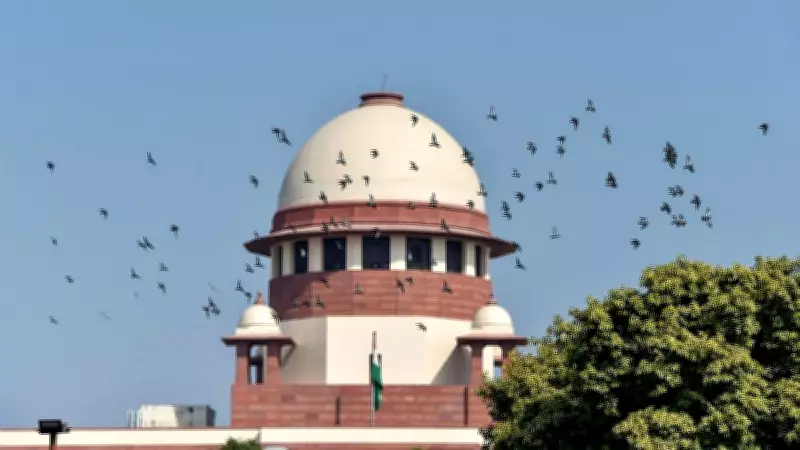
The Supreme Court of India on Tuesday upheld the life sentences of 19 convicts in the infamous 1983 Bihar mass murder case, in which 42 people were killed in a caste-related massacre in the state's Gaya district. A bench of Justices Sanjay Kishan Kaul and Sudhanshu Dhulia dismissed the appeals filed by the convicts challenging their conviction and sentence.
Background of the Case
The massacre took place on February 14, 1983, in the village of Bathani Tola in Gaya district. According to the prosecution, a group of upper-caste landlords attacked the houses of Dalits and backward caste villagers, killing 42 people, including women and children. The motive was reportedly a land dispute and caste animosity.
Trial and Conviction
The trial court, in 1986, convicted 19 people and sentenced them to life imprisonment. The Patna High Court later upheld the convictions. The convicts then appealed to the Supreme Court, arguing that the evidence was insufficient and that they had been wrongly implicated.

Supreme Court's Verdict
The Supreme Court, after examining the evidence, found no reason to interfere with the concurrent findings of the lower courts. The bench observed that the prosecution had proved its case beyond reasonable doubt and that the witnesses' testimonies were credible. The court also noted that the case was a classic example of caste-based violence and that the convicts had committed heinous crimes.
Rejection of Appeals
The bench rejected the arguments of the convicts' lawyers that the trial was unfair and that the witnesses had turned hostile. The court said that the trial was conducted properly and that the witnesses had deposed truthfully. The court also dismissed the plea for reduction of sentence, stating that the crime was of a grave nature and warranted the maximum punishment under the law.
Reactions and Significance
The verdict has been welcomed by human rights activists and the families of the victims. They said that the judgment reaffirms the rule of law and sends a strong message against caste-based violence. The case is seen as a landmark in the fight for justice for Dalits and backward castes in Bihar.
The Supreme Court's decision upholds the principle that no one is above the law and that perpetrators of mass violence will be held accountable, even decades after the crime. The judgment also highlights the importance of a fair trial and the need for a robust legal system to address historical injustices.