Supreme Court Upholds Madras HC's Balanced Order on Thiruparankundram Hillock Dispute
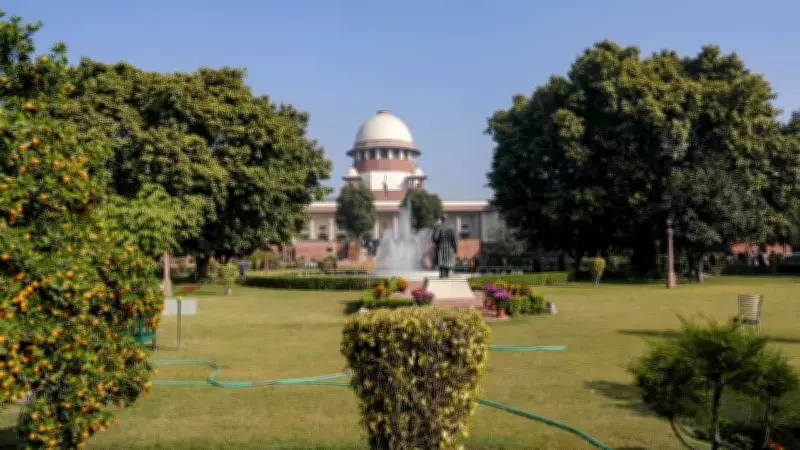
The Supreme Court of India on Monday declined to intervene in a significant ruling by the Madras High Court that prohibits animal sacrifice and restricts prayer activities for Muslim devotees on the Thiruparankundram hills in Madurai, Tamil Nadu. A bench comprising Justices Aravind Kumar and P B Varale described the High Court's October 10 order as "balanced" and refused to entertain an appeal challenging it.
Details of the Madras High Court's Original Ruling
The Madras High Court had issued a comprehensive order addressing the longstanding dispute over religious practices at the Nellithoppu area of the Thiruparankundram Hillock. The court explicitly held that animal sacrifice and the preparation, transportation, or serving of any non-vegetarian food items are strictly prohibited in this region until a competent civil court makes a definitive ruling on the customary practice of animal sacrifice.
Furthermore, the High Court clarified the property rights involved, stating that the temple Devasthanam has been declared the absolute owner of the traditional footsteps leading up to the Nellithoppu area. Muslim devotees are granted only a right of usage over this pathway, specifically for the purpose of accessing the Nellithoppu area, and cannot utilize it for any other activities.

Supreme Court's Rationale for Upholding the Order
In its decision, the Supreme Court bench emphasized the fairness and equilibrium of the Madras High Court's order. The justices remarked, "It seems to be a very balanced order... We do not propose to interfere with the order." They upheld the impugned order without expressing any opinion on the underlying rights of the parties involved, thereby allowing the High Court's directives to stand.
This ruling underscores the judiciary's approach to balancing religious customs with legal ownership and public order considerations. The Supreme Court's refusal to intervene highlights its confidence in the lower court's judgment and its commitment to allowing civil courts to resolve intricate matters of customary practices.
Implications for Religious Practices and Property Rights
The decision has significant implications for both the local Muslim community and the temple authorities. Key points include:
- Prohibition of Animal Sacrifice: The ban remains in effect until a civil court adjudicates the legality of this traditional practice.
- Restricted Prayer Rights: Muslim devotees are limited to using the pathway solely for reaching the Nellithoppu area, with no additional religious activities permitted.
- Clarification of Ownership: The temple Devasthanam's absolute ownership of the footsteps is reaffirmed, setting a precedent for property disputes in religious sites.
This case reflects the ongoing judicial efforts to mediate between religious freedoms and regulatory frameworks, ensuring that practices are conducted within the bounds of law and property rights. The Supreme Court's stance reinforces the importance of lower courts in addressing localized disputes before higher judicial intervention.