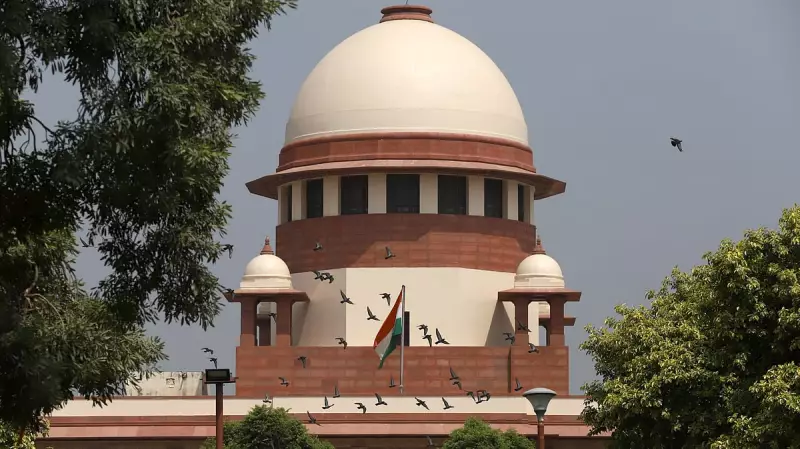
In a significant move aimed at unclogging the judicial pipeline, the Supreme Court of India has issued a clear directive to all High Courts across the nation. The apex court has urged them to take up immediately matters deemed 'sensitive and serious' where the trial process has been held up.
A Directive for Timely Justice
The order, passed on January 8, 2026, carries a profound message about the nature of justice. The Supreme Court bench emphasized that the judicial process must ensure fairness to all involved parties. In a powerful statement, the court clarified that justice cannot be done only with the accused persons in mind; it must comprehensively address the rights and concerns of all stakeholders, including victims and the state.
Addressing the Backlog of Critical Cases
While the specific cases prompting this order were not detailed in the report, the directive underscores a persistent challenge within the Indian legal system: inordinate delays in trials. These delays can be particularly detrimental in cases involving:

- Violent crimes and offences against the state.
- Matters with significant public interest or national security implications.
- Cases where evidence or witness memory may degrade over time.
The Supreme Court's intervention signals a top-down push to ensure that such sensitive and serious matters do not get lost in the vast backlog of cases but are identified and expedited.
Implications for the Judicial Framework
This order places a renewed responsibility on the High Courts, which are the principal courts of original jurisdiction in the states and supervise the lower judiciary. They are now explicitly tasked with proactively listing and hearing stalled trials that fall under the 'sensitive and serious' category. The move is expected to have several consequences:
First, it should provide relief to victims and investigating agencies who have long awaited closure. Second, it reinforces the principle that justice delayed is justice denied, and the courts must be vigilant against such an outcome. Finally, it serves as a reminder that the wheels of justice, while thorough, must also turn efficiently, especially when critical interests are at stake.
The report of this directive was filed by Ashish Tripathi and last updated on 11 January 2026, at 13:53 IST. The Supreme Court's order is a clear step towards making the constitutional promise of speedy justice a more tangible reality for countless Indians awaiting their day in court.