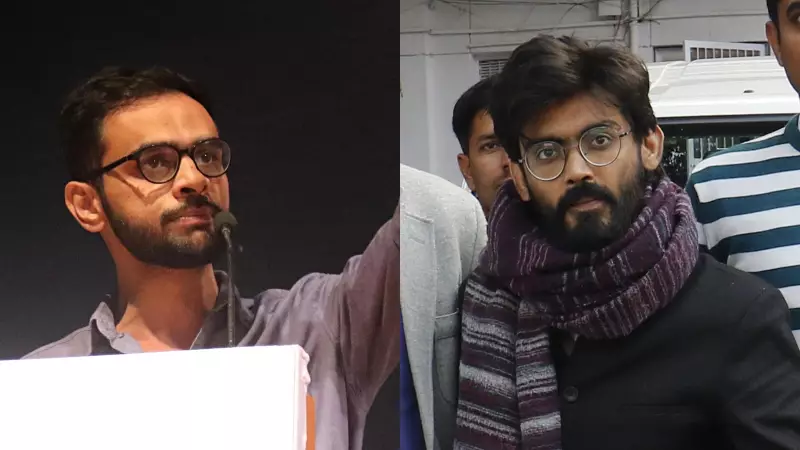
The Supreme Court of India is poised to deliver a highly anticipated verdict on Monday, January 5, 2026, concerning the bail applications of student activists Umar Khalid and Sharjeel Imam, along with five other individuals. They are accused in the alleged larger conspiracy behind the violent Northeast Delhi riots of February 2020.
Bench and Timeline of the Case
A two-judge bench, comprising Justices Aravind Kumar and N V Anjaria, will pronounce the judgment. The bench had previously reserved its order on these bail pleas on December 10. The verdict comes after a protracted legal battle, with the accused challenging the denial of bail by the lower courts.
The Delhi High Court's Stance and Police Allegations
Earlier, on September 2, the Delhi High Court had rejected bail for nine accused, including Khalid and Imam. In a significant observation, the High Court characterized the riots not as spontaneous protests but as a "premeditated and well-orchestrated conspiracy." It denied bail, citing the gravity of the charges framed under the stringent Unlawful Activities (Prevention) Act (UAPA).

Before the Supreme Court, the Delhi Police vehemently opposed the grant of bail. The prosecution argued that the violence, which resulted in the tragic loss of 53 lives, was part of a criminal conspiracy with a wider objective of "regime change." They further alleged that the timing of the conspiracy was deliberate, coinciding with the official visit of then US President Donald Trump to India. The police claimed this was done to garner international media attention and portray the Citizenship Amendment Act (CAA) protests as a "pogrom" against the Muslim community.
Awaiting the Apex Court's Decision
The Supreme Court's ruling today is critical, as it will determine whether the accused will remain in judicial custody or be released on bail while the trial continues. The case hinges on the interpretation of evidence under the UAPA and the threshold for granting bail in cases involving serious allegations of conspiracy. The legal community and observers across the nation are keenly watching this verdict, which will have substantial implications for the ongoing trial and the application of anti-terror laws in cases of communal violence.
The other accused named in the High Court's September order include Gulshifa Fathima, Meeran Haider, Athar Khan, Abdul Khalid Saifi, Mohd Saleem Khan, Shifa-ur-Rehman, and Shadab Ahmed. The Supreme Court's decision will be a pivotal moment in one of the most high-profile cases stemming from the 2020 Delhi riots.