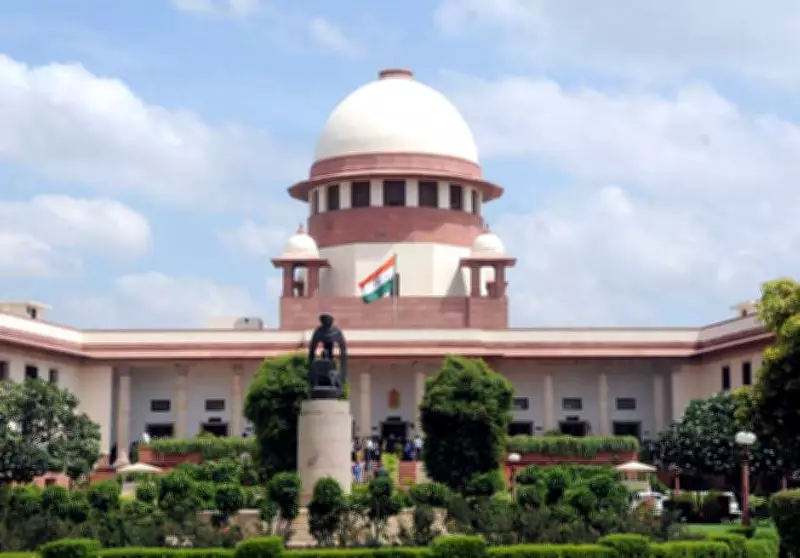
The Supreme Court of India on Tuesday strongly rebuked the Uttar Pradesh Police for its characterization of workers demanding a wage hike as 'terrorists'. A bench comprising Justices Sanjay Kishan Kaul and Sudhanshu Dhulia made the observation while hearing a petition related to the arrest of several workers under the stringent Unlawful Activities (Prevention) Act (UAPA).
Court's Strong Remarks
The apex court remarked that demanding a wage increase is a legitimate right of workers and cannot be equated with terrorism. 'Workers demanding a wage hike are not terrorists,' the bench stated, adding that the police must differentiate between genuine labor rights agitation and unlawful activities.
Background of the Case
The case pertains to the arrest of multiple workers in Uttar Pradesh who were agitating for higher wages. The police had invoked UAPA, a law typically used for terror-related offenses, alleging that the workers had engaged in violent protests. However, the Supreme Court questioned this approach, noting that peaceful protests for wage revision cannot be treated as terror acts.

Legal Implications
The court's observation underscores the need for law enforcement agencies to exercise restraint while applying stringent laws like UAPA. The bench emphasized that such laws should not be used to suppress legitimate dissent and labor movements. It further directed the Uttar Pradesh Police to reconsider the application of UAPA in such cases.
Reaction from Workers' Unions
Labor unions and workers' rights organizations have welcomed the Supreme Court's stance. They argue that the use of UAPA against workers is a misuse of the law and intimidates those fighting for their rights. The court's intervention is seen as a significant step in protecting the constitutional right to protest.
Way Forward
The Supreme Court has asked the Uttar Pradesh government to file a detailed response on the matter. The next hearing is scheduled for next month. Legal experts believe that this case could set a precedent for how labor disputes are handled by law enforcement agencies in the future.