

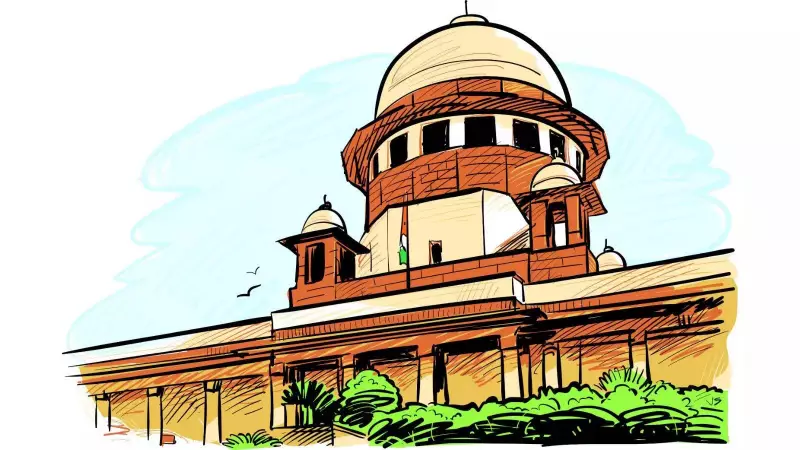
The Supreme Court of India has demonstrated remarkable judicial wisdom through its willingness to revisit and overturn previous rulings, a practice that should be celebrated rather than criticized according to legal experts. This perspective comes in response to recent observations by a two-judge bench expressing concern about the growing trend of verdict reconsideration.
A Living Constitution Demands Evolution
Ironically, the bench's concerns emerged on November 27, 2025, the same day India commemorated its 75-year-old Constitution. The timing highlighted the fundamental contradiction in criticizing judicial evolution while celebrating a document that the Supreme Court itself has recognized as a living instrument, capable of dynamic interpretation with changing times.
The Constitution's adaptability has been central to India's democratic resilience. Legal scholars emphasize that the document's framers intentionally created a framework that could evolve with society's needs, rather than remaining static in a rapidly changing world.

Landmark Reversals That Protected Citizens
The Supreme Court's history of overturning its own decisions has consistently worked to strengthen citizen rights and freedoms. Several landmark reversals demonstrate this progressive pattern:
Decriminalization of gay sex represented a monumental shift in recognizing individual liberties and personal autonomy. The court courageously reversed earlier conservative positions to align with contemporary understanding of human rights and dignity.
The right to privacy received robust constitutional protection through judicial reconsideration, establishing this fundamental right as intrinsic to human dignity and personal liberty under the Indian Constitution.
Recent interventions to prevent misuse of sedition laws show the court's commitment to protecting democratic dissent and free speech from state overreach, correcting earlier interpretations that had enabled potential abuse.
Article 141: The Constitutional Foundation
The practice of judicial review and reversal finds strong foundation in Article 141 of the Indian Constitution, which states that the law declared by the Supreme Court shall be binding on all courts within India's territory. This provision ensures legal consistency while allowing for necessary evolution.
Legal experts argue that when the Supreme Court changes its perspective on specific legal or constitutional matters, it doesn't diminish Article 141's authority. Rather, it demonstrates the court's commitment to delivering the most informed and contemporary interpretation of law possible.
The dynamic nature of judicial interpretation reflects the court's recognition that legal principles must serve contemporary societal needs while remaining faithful to constitutional values. This approach has consistently worked to expand and protect fundamental rights rather than restrict them.
As India's highest judicial body continues to navigate complex legal questions, its willingness to reconsider established positions remains one of the strongest safeguards for constitutional democracy and citizen rights in the world's largest democracy.






