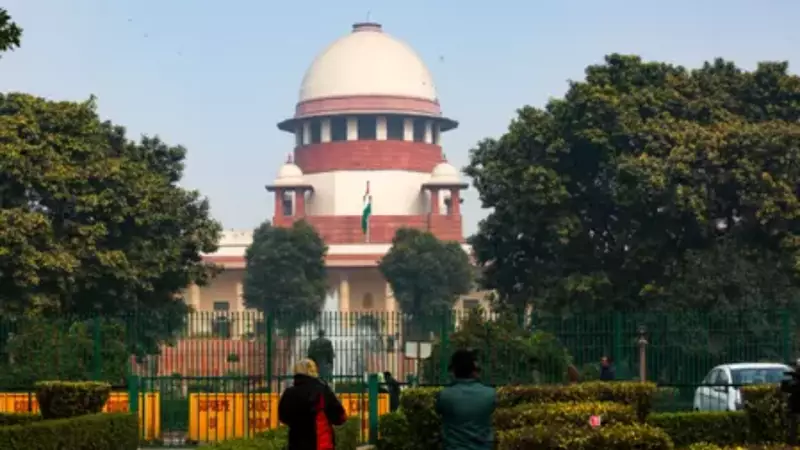
The Supreme Court issued a firm ultimatum to the Central government on Monday. The court demanded immediate action on creating standard operating procedures for homeless individuals suffering from psychosocial disabilities. Justice Vikram Nath and Justice Sandeep Mehta presided over the hearing. They described these people as utterly destitute and extremely vulnerable members of society.
Court Sets February 9 Deadline for Draft SOPs
The bench granted what it termed a final opportunity to the Centre. They instructed the government to prepare and submit the draft SOPs by the next hearing scheduled for February 9. Senior advocate Nachiket Joshi represented the Centre during the proceedings. The court emphasized the critical nature of this issue. Effective implementation of these procedures will determine the fate of countless vulnerable citizens.
Petitioner Highlights Repeated Delays
Advocate Gaurav Bansal, who filed the public interest litigation, addressed the court directly. He pointed out that this marked the third instance where the Centre failed to submit a proper response. Bansal stressed the urgent need for rehabilitation. Homeless people with mental illnesses wander streets and public spaces searching for food and basic necessities. They require systematic support and care.

The court received information about previous government statements. On December 19, the Centre indicated that two separate draft SOPs were in preparation. Earlier, the Supreme Court had urged the government to treat this matter with utmost seriousness. Authorities were reportedly conducting deliberations and holding meetings on the subject.
PIL Seeks Comprehensive Framework for Stakeholders
The petition calls for clear directions to establish and implement standard operating procedures. These SOPs would guide various key stakeholders. Law enforcement agencies and medical health departments are specifically mentioned. The goal is to ensure humane and effective handling of homeless persons with psychosocial disabilities.
Systemic Neglect and Abuse Documented
The plea highlights disturbing realities faced by this population. Instead of receiving appropriate care, these individuals often encounter severe neglect. Social isolation remains a common experience. Many suffer physical and sexual abuse while living on the streets. The petition argues that existing legal and policy frameworks have not been operationalized properly.
India has the Mental Healthcare Act of 2017 and the National Mental Health Policy from 2014. Despite these instruments, authorities have failed to activate provisions designed to protect homeless people with mental illnesses. The petitioner notes a complete breakdown of the system. This failure leaves thousands of individuals to survive alone without access to medical care, shelter, or social entitlements.
The absence of a structured national policy combining homelessness and mental illness exacerbates the crisis. The Supreme Court's intervention seeks to compel concrete action. The February 9 hearing will reveal whether the Centre finally presents a viable rehabilitation plan for society's most marginalized members.