

Supreme Court's Landmark Ruling on Life Support Withdrawal Sets New Guidelines for Families
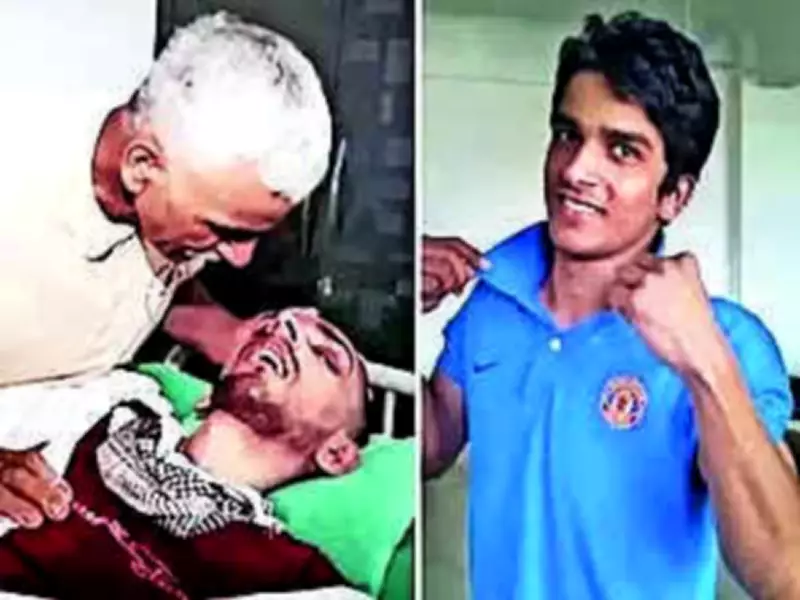
The Supreme Court of India has delivered a groundbreaking judgment that permits the withdrawal of life support for individuals in irreversible vegetative states, establishing comprehensive guidelines that will significantly assist families facing similar heartbreaking circumstances. This ruling emerged from the case of Harish Rana, a civil engineering student who sustained severe injuries from a fall in Chandigarh back in 2013, leaving him in a vegetative state for thirteen long years.
A Long Legal Battle Culminates in a Historic Decision
Harish Rana's family endured an arduous legal journey, fighting tirelessly for his right to die with dignity. After the Delhi High Court initially rejected their petition in 2024, and the Supreme Court upheld that decision, the family persisted. Their perseverance paid off when the Supreme Court reconsidered the case, ultimately allowing the withdrawal of life support at AIIMS under specialist supervision. Tragically, Rana passed away ten days after the life support was removed.
Manish Jain, the legal counsel representing Rana's family, provided exclusive insights into this complex case. He highlighted the profound dilemma courts face when deciding matters of life and death, especially concerning individuals who have committed no crime. Jain emphasized that the recognition of the right to die with dignity under Article 21 of the Constitution played a pivotal role in shaping the court's decision.

Redefining Life Support and Legal Strategies
One of the critical turning points in this case was the expanded definition of life support. Initially, the courts did not consider Harish Rana's condition as requiring traditional life support since he was not on a ventilator. Instead, he relied on a PEG (percutaneous endoscopic gastrostomy) tube for nutrition. Jain explained that their legal strategy evolved to argue that any medical support system sustaining life should be classified as life support.
This nuanced argument persuaded the Supreme Court to recognize the PEG tube as life-support equipment, thereby permitting its withdrawal. Jain detailed the practical challenges the family faced, such as the scarcity of specialists capable of inserting the PEG tube safely and instances of incorrect tube provision by hospitals, which compounded their distress.
Transforming End-of-Life Jurisprudence in India
This judgment marks a significant evolution in India's end-of-life jurisprudence. Harish Rana became the first recipient of passive euthanasia in the country, setting a precedent for future cases. Jain elaborated that jurisprudence traditionally focuses on the right to life and conditions necessary for flourishing, but it also encompasses the right to a dignified death when suffering is unbearable and recovery is impossible.
The ruling includes a poignant paragraph that Jain believes will be frequently cited in future legal proceedings: "Our decision today does not neatly fit within logic and reason alone. It sits in a space between love, loss, medicine and mercy. This decision is not about choosing death but is rather one of not artificially prolonging life. It is the decision to withdraw life-sustaining treatment when that treatment no longer heals, restores, or meaningfully improves life. It is allowing nature to take its course when medicine can only delay the inevitable because survival is not always the same as living."
Distinguishing from Past Cases and Societal Implications
This case differs notably from previous instances like that of Aruna Shanbaug, where withdrawal of life support was denied. Key distinctions include the absence of a ventilator for Rana, his lack of responsive behaviors compared to Shanbaug, and the fact that his petition was filed by his parents with clear medical evidence, whereas Shanbaug's case involved objections from hospital staff.
Jain noted that while society still grapples with acceptance of death, this judgment reflects a gradual shift in attitudes, expanding the scope of the right to die with dignity. He anticipates that courts will now approach such pleas with greater sensitivity, guided by the newly established protocols.

New Guidelines to Ease Family Burdens
The Supreme Court has laid down specific guidelines to streamline the process for families in similar situations. These include:
- Formation of a primary medical board by the treating doctor to review the patient's condition.
- Obtaining consent from family members or close friends.
- Certification by the board in favor of withdrawing life support.
- Constitution of a second medical board for an independent assessment.
- Referral to a high court only if there is a conflict between the two boards' decisions.
Jain emphasized that these guidelines will alleviate the legal and emotional strain on families, allowing them to focus on compassionate care rather than prolonged court battles. He concluded that this judgment not only honors Harish Rana's memory but also paves the way for a more humane approach to end-of-life decisions in India.





