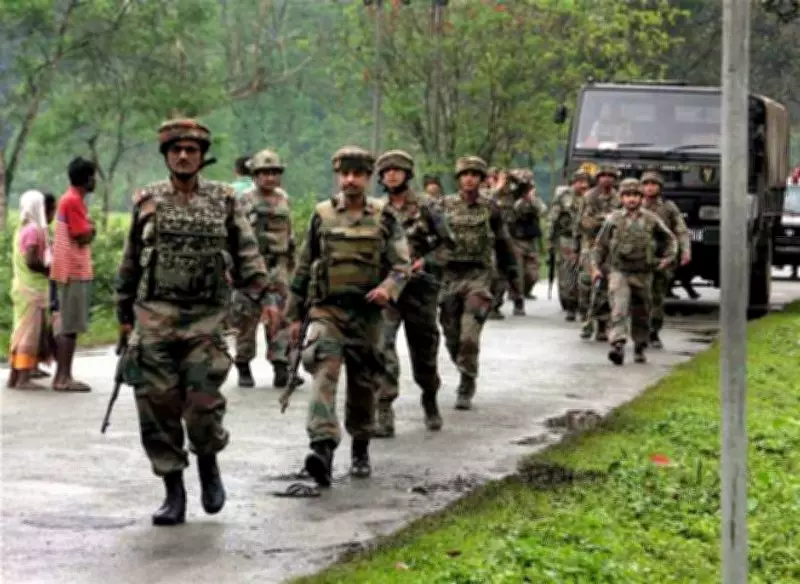
Senior Maoist Leader and Eight Associates Surrender in Andhra Pradesh
In a major development for security forces in the region, a senior Maoist leader and eight other members of the banned extremist group have surrendered to authorities in Andhra Pradesh. This event underscores ongoing efforts to combat left-wing extremism in the state.
Details of the Surrender
The surrender took place in a coordinated operation, with the individuals turning themselves in to law enforcement officials. The senior leader, whose identity has been confirmed by sources, held a prominent position within the Maoist hierarchy, making this a notable blow to the group's operational capabilities in the area.
Background and Implications

Andhra Pradesh has been a focal point in the fight against Maoist insurgency, with authorities implementing various strategies to encourage surrenders and reintegration. This latest incident is part of a broader trend where members are opting to leave the extremist movement, often citing disillusionment or the appeal of government rehabilitation programs.
Security analysts note that such surrenders can weaken Maoist networks by reducing their manpower and morale. The involvement of a senior figure is particularly significant, as it may lead to further intelligence gains and disrupt planned activities.
Government Response and Rehabilitation Efforts
Officials have welcomed the surrender, highlighting it as a success for counter-insurgency measures. The state government has reiterated its commitment to providing support for those who renounce violence, including access to rehabilitation schemes aimed at helping former extremists reintegrate into society.
Key aspects of the rehabilitation process include:
- Financial assistance and vocational training programs.
- Psychological counseling to address trauma and adjustment issues.
- Legal aid to navigate any pending cases or charges.
This approach is designed to offer a viable alternative to life in the Maoist ranks, addressing root causes such as poverty and lack of opportunities that often drive recruitment.
Impact on Regional Security
The surrender is expected to have a positive impact on regional security dynamics. By removing active members from the field, it reduces the immediate threat of violence and allows security forces to focus on remaining pockets of resistance. However, experts caution that sustained efforts are needed to prevent recruitment and address underlying socio-economic grievances.
In conclusion, the surrender of a senior Maoist leader and eight others in Andhra Pradesh represents a critical milestone in the state's ongoing battle against extremism. It highlights the effectiveness of combined security and rehabilitation strategies, while underscoring the challenges that persist in achieving lasting peace in affected regions.