Spain Reopens Tehran Embassy, Defying U.S. Pressure Amid Iran Conflict
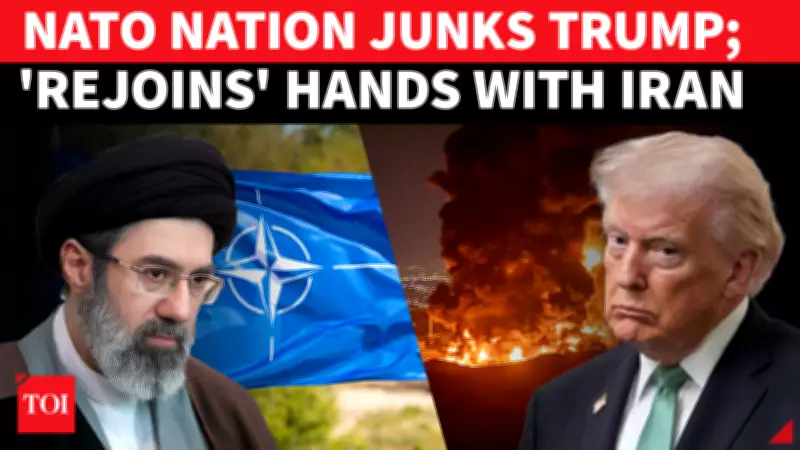
In a bold diplomatic move that signals a growing rift within NATO, Spain has reopened its embassy in Tehran, directly challenging U.S. pressure and concerns over the ongoing Iran conflict. This decision comes at a critical juncture, as tensions simmer and geopolitical alliances are tested.
A Return to Diplomacy Despite U.S. Objections
Ambassador Antonio Sánchez-Benedito Gaspar officially confirmed the reopening, emphasizing Spain's commitment to promoting peace and stability in the region. The move follows a recent ceasefire in the conflict, with Madrid citing efforts to foster dialogue and reduce hostilities. This step underscores a strategic pivot towards engagement rather than isolation, even as the U.S. advocates for a tougher stance.
The reopening is not merely symbolic; it aims to expand economic ties and cooperation between Spain and Iran. Madrid views this as an opportunity to bolster trade and investment, highlighting potential mutual benefits that could contribute to regional stability. This economic dimension adds a practical layer to Spain's diplomatic outreach, suggesting a long-term vision beyond immediate political tensions.

Growing Divide Between Washington and European Allies
The decision has exposed a deepening divide between Washington and some of its European partners. While the U.S., under criticism from figures like Donald Trump, has pushed for unified support and a hardline approach towards Iran, Spain's move reflects a more independent and conciliatory strategy. This break in rank within NATO raises questions about the alliance's cohesion on foreign policy matters.
Trump has publicly criticized NATO allies for what he perceives as a lack of support during the war, making Spain's action particularly noteworthy. It suggests that European nations may be reassessing their approaches to Iran, prioritizing regional diplomacy over alignment with U.S. demands. This could signal a broader trend of European autonomy in international affairs.
Implications for Geopolitical Tensions
The embassy reopening occurs against a backdrop of heightened geopolitical tensions. Iran remains a focal point of global disputes, from nuclear negotiations to regional conflicts. Spain's move may encourage other nations to pursue similar diplomatic initiatives, potentially reshaping how the international community engages with Tehran.
Key aspects of this development include:
- Diplomatic Re-engagement: Spain's embassy reopening marks a formal return to full diplomatic relations, facilitating direct communication and cooperation.
- Economic Opportunities: Madrid aims to leverage this move to enhance trade, investment, and cultural exchanges with Iran.
- NATO Dynamics: The action highlights internal disagreements within NATO, challenging the notion of a unified front on Iran policy.
- Regional Stability: By promoting peace efforts, Spain hopes to contribute to de-escalation and long-term stability in the Middle East.
As the situation evolves, Spain's defiance of U.S. pressure could influence future diplomatic strategies worldwide, emphasizing the complex interplay between alliance politics and national interests in addressing global conflicts.