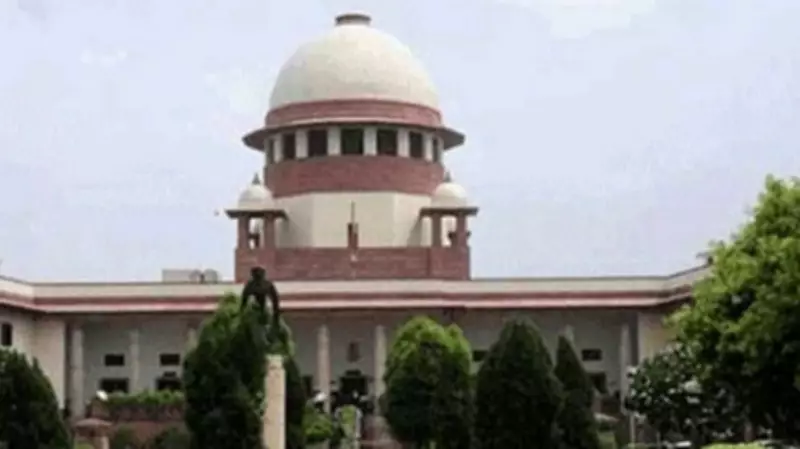
The Supreme Court of India has delivered a significant judgment clarifying the limits of banks' authority over legal professionals. The apex court ruled that while banks have the power to remove a lawyer from their panel of empanelled advocates, they cannot act as regulators of the legal profession. Specifically, banks are barred from issuing public declarations or industry-wide alerts that could damage a lawyer's reputation.
Background of the Case
The ruling came in response to a petition filed by an advocate whose name was removed from a bank's panel and subsequently included in a warning circular sent to other banks. The lawyer argued that such actions effectively blacklisted him without due process, violating his right to practice the profession. The Supreme Court bench, comprising Justices A.M. Khanwilkar and B.R. Gavai, heard the matter and delivered the judgment on 7 July 2026.
Key Observations by the Court
The bench observed that banks are not statutory regulators of the legal profession. "Banks cannot assume the role of a regulator for advocates. They are financial institutions, not disciplinary bodies," the court stated. The judgment emphasized that while banks have the right to choose their empanelled advocates and can terminate their services for valid reasons, they cannot issue public notices that effectively blacklist a lawyer across the industry. Such actions, the court noted, would be tantamount to adjudicating misconduct without legal authority.

Impact on Legal Profession
According to the court, issuing industry-wide alerts against a lawyer without a proper inquiry violates the principles of natural justice. The ruling protects advocates from arbitrary actions by banks that could harm their professional standing. The Supreme Court directed that any communication regarding a lawyer's removal from a panel must be limited to the specific bank and not shared with other institutions as a warning. The judgment is expected to prevent banks from creating informal blacklists that could unfairly restrict lawyers' practice.
Reactions and Implications
Legal experts have welcomed the decision. Senior advocate Raju Ramachandran commented, "This ruling upholds the independence of the legal profession and ensures that banks cannot usurp the role of disciplinary bodies." The judgment also clarifies that if banks have grievances against a lawyer, they should approach the Bar Council or other statutory authorities. The ruling sets a precedent for similar cases involving other corporate entities that might attempt to regulate professionals beyond their remit.