India's Ambitious Toy Export Goal
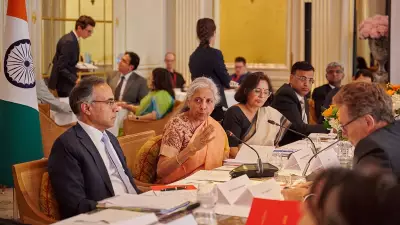
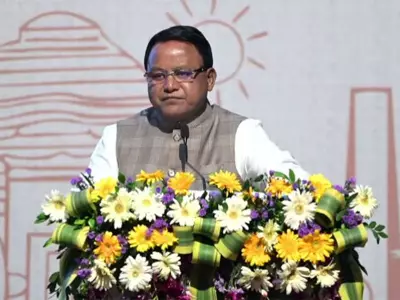
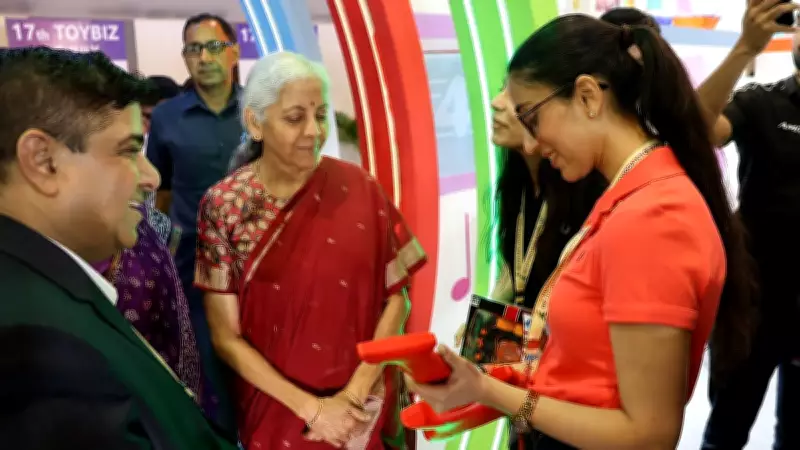
Finance Minister Nirmala Sitharaman has stated that India should target capturing a quarter of the global toy market, which is projected to reach $179 billion by 2032. Speaking at a recent industry event, she emphasized the need for the Indian toy sector to scale up rapidly to claim a significant share of this growing market.
India exported toys worth $186 million during the financial year 2025-26. The government has set a target to increase this figure to $5 billion by 2034, marking a nearly 27-fold increase over eight years.
Global Market Projections
The global toy market, valued at approximately $120 billion in 2025, is expected to grow at a compound annual growth rate (CAGR) of around 5% to reach $179 billion by 2032. This growth is driven by rising disposable incomes, increased focus on early childhood development, and the popularity of licensed merchandise from movies and video games.

According to Sitharaman, "India has the potential to become a major hub for toy manufacturing, given our skilled workforce and cost advantages. We should aim for a quarter of the global market." She urged industry players to invest in innovation, quality, and branding to compete with established players like China.
Government Initiatives to Boost Toy Sector
The government has implemented several measures to promote domestic toy manufacturing. These include the Production Linked Incentive (PLI) scheme for toys, higher import duties on finished toys, and mandatory quality standards. The National Toy Action Plan 2020 aimed to make India a global toy manufacturing hub.
India's toy imports have declined significantly from $371 million in 2018-19 to around $100 million in recent years, reflecting the success of these policies. However, exports remain low compared to China, which dominates over 70% of the global toy trade.
Opportunities and Challenges
India's toy industry is largely unorganized, with many small-scale units. To achieve the $5 billion export target, the sector needs to modernize, adopt automation, and improve design capabilities. Collaboration with international brands and compliance with global safety standards are also critical.
Sitharaman highlighted that the government is working on clusters and common facility centers to support MSMEs. She also stressed the importance of using eco-friendly materials and sustainable practices to align with global trends.
"The toy industry can generate substantial employment, especially for women and youth in rural areas," she added. The sector currently employs over 400,000 people, and the target could create millions of additional jobs.