Supreme Court Asserts Authority to Judge Superstitious Practices in Sabarimala Review Case
In a landmark development, the Supreme Court of India has made a significant statement regarding its jurisdiction in religious matters, specifically in the ongoing review of the Sabarimala temple case. The court has clarified that it possesses the authority to adjudicate whether a religious practice qualifies as superstitious, a move that could have far-reaching implications for India's legal and cultural landscape.
Centre's Argument: Secular Courts Lack Religious Expertise
During the proceedings, Solicitor General Tushar Mehta, representing the Centre, presented a compelling argument. He contended that secular courts, including the Supreme Court, are not equipped to decide on religious issues because judges are experts in the field of law, not religion. This stance highlights the delicate balance between legal principles and religious freedoms in a diverse society like India.
Mehta emphasized that matters of faith and tradition should ideally be resolved within the religious community itself, without judicial interference. However, the Supreme Court's response indicates a willingness to intervene when practices are deemed to cross the line into superstition, potentially infringing on constitutional rights.

Background and Implications of the Sabarimala Case
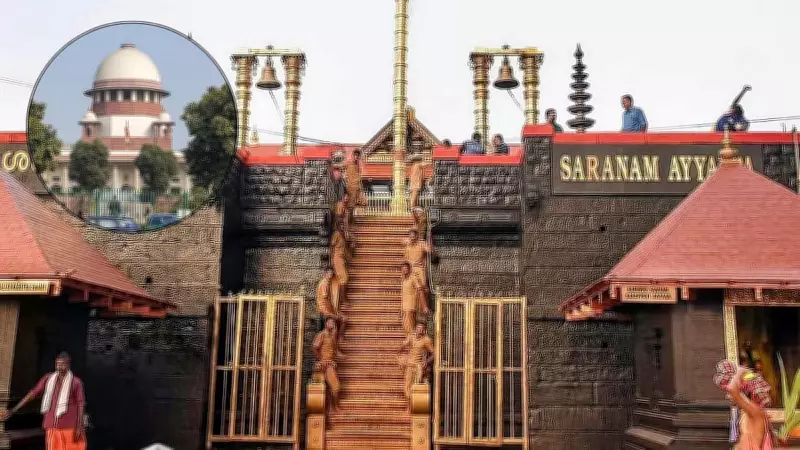
The Sabarimala temple, dedicated to Lord Ayyappa in Kerala, has been at the center of a heated debate over the entry of women of menstruating age. The Supreme Court's 2018 verdict allowed women of all ages to enter the temple, but this decision faced widespread protests and legal challenges, leading to the current review.
This latest assertion by the court adds a new dimension to the case, as it now considers not just gender equality but also the nature of the religious practices involved. If the court rules that certain traditions are superstitious, it could set a precedent for similar cases across India, affecting how religious customs are evaluated under the law.
The case underscores the ongoing tension between preserving cultural heritage and upholding modern legal standards. As the Supreme Court continues its review, all eyes are on how it will navigate these complex issues, balancing respect for religion with the need to protect individual rights and promote rational practices.