

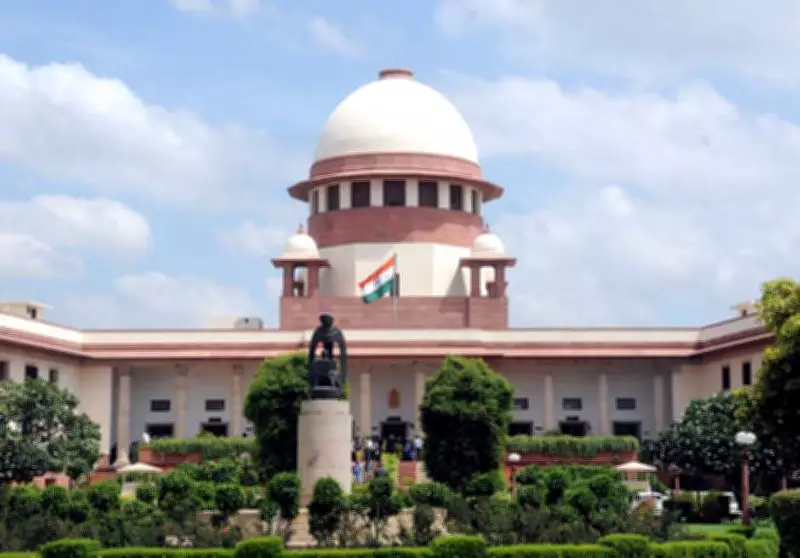
The Supreme Court of India has delivered a significant ruling regarding sedition cases, stating that trials for the offense of sedition can proceed if the accused person does not raise any objection. This decision provides clarity on the application of Section 124A of the Indian Penal Code, which deals with sedition.
Key Aspects of the Ruling
The apex court bench, comprising Justices Uday Umesh Lalit and S. Abdul Nazeer, made it clear that the pendency of a petition challenging the constitutional validity of the sedition law does not automatically stay all trials. The court emphasized that the accused has the right to object to the trial, but if no such objection is raised, the proceedings can continue.
Implications for Pending Cases
This ruling is expected to impact numerous sedition cases pending across various courts in the country. It effectively allows judges to proceed with trials unless the accused explicitly invokes the pending challenge to the law. The Supreme Court is currently hearing a batch of petitions that question the constitutionality of Section 124A, arguing that it is a colonial-era law that curbs free speech.

Background of the Case
The matter came before the Supreme Court after several petitions were filed challenging the validity of the sedition law. The court had earlier issued notices to the central government seeking its response. During the hearing, the government defended the law, stating that it is necessary to protect the sovereignty and integrity of the nation.
Legal Experts Weigh In
Legal experts have offered mixed reactions to the Supreme Court's order. Some argue that it provides a practical solution to avoid delays in trials, while others express concern that it may pressure accused individuals to not object. Senior advocate Indira Jaising stated, "The ruling balances the need for speedy trials with the right of the accused to challenge the law."
Future Course of Action
The Supreme Court has listed the matter for further hearing in July. Until then, trials in sedition cases will proceed based on the accused's stance. The court also directed that no coercive action be taken against individuals for exercising their right to object.
In conclusion, the Supreme Court's ruling provides a nuanced approach to handling sedition trials while the constitutional challenge is pending. It underscores the importance of individual rights and the need for efficient judicial processes.






