

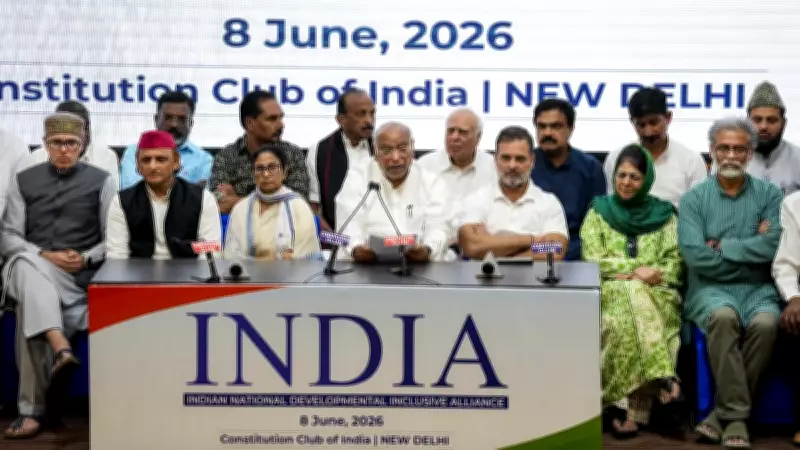
The Congress party's assertive stance following its recent assembly election victories may backfire, potentially fracturing the opposition bloc. Analysts suggest that the party's 'big brother' approach could alienate regional allies, weakening the united front against the ruling party.
Post-Election Dynamics
Before the 2024 Lok Sabha elections, regional parties were unlikely to accept an official leadership role for the Congress. However, the results of the latest assembly elections have shifted the balance in favor of the Congress, emboldening its leadership. Yet, this newfound confidence is being perceived as overbearing by some coalition partners.
Regional Concerns
Regional parties, which have traditionally resisted Congress dominance, are now wary of its growing assertiveness. They fear that the Congress may impose its agenda, undermining their regional interests. This tension could lead to cracks within the opposition bloc, known as the I.N.D.I.A. alliance.

- Congress leaders have emphasized the need for a unified opposition, but their tone has been perceived as domineering.
- Regional parties demand equal partnership and respect for their autonomy.
Potential Fallout
If the Congress continues its 'big brother' approach, it risks pushing away key allies. This could fragment the opposition, benefiting the ruling party in future elections. Political observers note that a collaborative rather than commanding stance is essential for sustaining the coalition.
The coming months will be crucial as the Congress navigates its role within the alliance. Balancing assertiveness with diplomacy will determine whether the opposition bloc remains united or splinters.






