
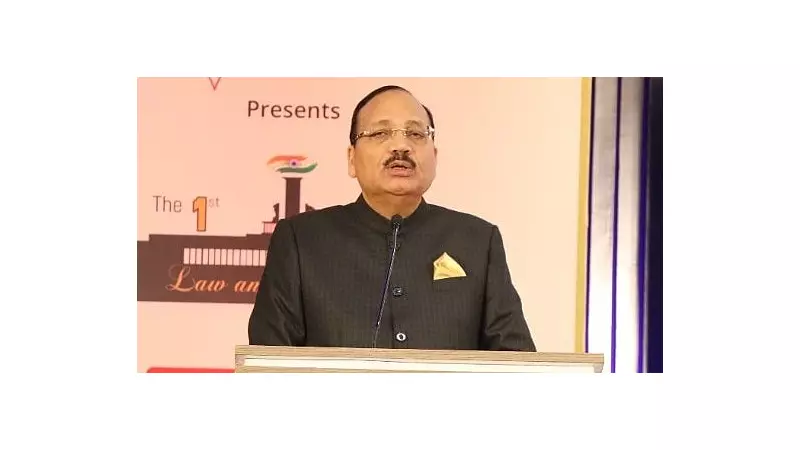
In a significant move to strengthen judicial cooperation and legal fraternity, the Supreme Court of India has entered into a formal partnership with the Supreme Court of Bhutan. The landmark agreement, signed on January 5, 2026, establishes a structured program for the exchange of law clerks between the two apex courts.
A New Chapter in India-Bhutan Judicial Ties
Chief Justice of India (CJI) Justice Surya Kant announced the signing of a Memorandum of Understanding (MoU) with the Bhutanese judiciary. This initiative is designed to foster a deeper understanding of legal systems, promote knowledge sharing, and build lasting professional bonds between the young legal minds of the two neighbouring nations. The program underscores India's commitment to supporting capacity building within the South Asian judicial landscape.
Financial Support and Program Details
CJI Surya Kant provided specific details about the benefits for the Bhutanese participants. He confirmed that the law clerks from Bhutan who come to India under this exchange program will receive the same honorarium as their Indian counterparts. This ensures parity and equal respect for their contributions. Furthermore, to facilitate seamless participation, the Supreme Court of India will bear all travel expenses for the visiting clerks from Bhutan.
This financial backing removes potential barriers and highlights the Supreme Court's dedication to making this exchange a substantive and accessible experience. The program is expected to offer clerks first-hand exposure to the functioning of a large and complex judicial system, including research methodologies, case management, and constitutional adjudication.
Implications for Legal Diplomacy and Future Collaboration
The MoU marks a proactive step in legal diplomacy, extending the strong bilateral ties between India and Bhutan into the realm of judiciary and legal education. Such exchanges are pivotal for cross-pollination of ideas, comparative legal studies, and nurturing a shared perspective on contemporary legal challenges.
This initiative is likely to set a precedent for similar collaborations with other friendly nations. It reinforces the role of India's Supreme Court not just as a national institution, but as a centre of legal excellence keen on contributing to regional capacity building. The program promises to enrich the professional journey of young lawyers from both countries, creating a network of legally trained individuals who understand each other's systems, thereby strengthening the overall framework of justice and cooperation in the region.