Supreme Court to Review Plea Against Maha Shivaratri Celebrations at Aland Dargah in Karnataka
The Supreme Court of India has agreed to examine a significant plea that challenges the proposed Maha Shivaratri celebrations at the Aland dargah in Gulbarga, Karnataka. This development comes as a crucial legal intervention in a matter involving religious practices and cultural heritage.
Urgent Hearing Requested Before February 15
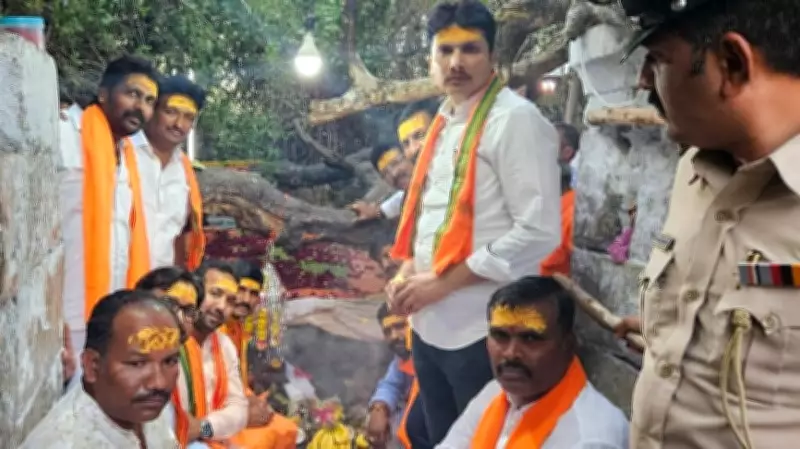
Senior advocate Vibha Datta Makhija presented the plea before the court, emphasizing the urgency of the situation. She argued that the Aland dargah, traditionally associated with a Hindu saint, is now the site for planned Shivaratri festivities. Makhija urged the court to schedule a hearing before February 15, 2026, to address the legal and communal implications promptly.
The plea raises questions about the appropriateness of holding Hindu festivals at a dargah, which is typically a shrine in Islamic tradition. This has sparked debates over religious harmony and the preservation of historical sites in Karnataka.

Background and Legal Context
The Aland dargah in Gulbarga has been a point of contention due to its unique cultural significance. Historically, it is revered by both Hindu and Muslim communities, but the proposed Maha Shivaratri celebrations have led to legal challenges. The Supreme Court's decision to review this plea underscores the judiciary's role in mediating such sensitive issues.
Legal experts suggest that this case could set a precedent for similar disputes across India, where religious sites often have overlapping cultural identities. The court's examination will likely focus on constitutional provisions related to freedom of religion and public order.
Implications for Karnataka and Beyond
This legal battle has drawn attention from various stakeholders in Karnataka, including religious groups, local authorities, and civil society organizations. The outcome could impact how religious festivals are conducted at historically significant sites, balancing tradition with contemporary legal frameworks.
As the Supreme Court prepares to hear the plea, all eyes are on the judicial proceedings that could shape future interactions between different religious communities in India. The request for a pre-February 15 hearing adds a layer of urgency, highlighting the time-sensitive nature of the Maha Shivaratri festival preparations.