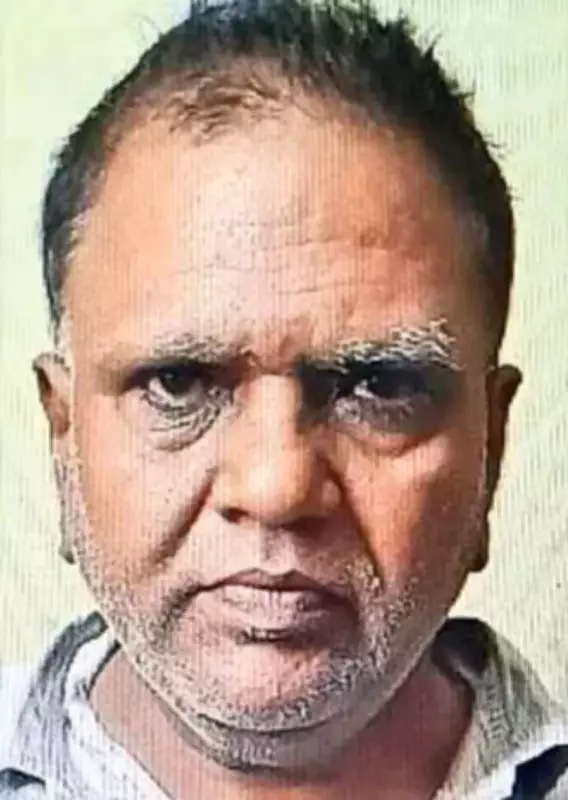
A 62-year-old man with a history of using acid in violent crimes was sentenced to death by a court in Surat on Wednesday for the 2019 murder of a 23-year-old man. The court cited his record of similar brutal offenses to rule that this case was indeed the rarest of the rare.
Conviction and Sentencing
The Surat district and sessions court convicted Bechar Kakadiya of murdering Yash Doshi, the son of his business partner, in a premeditated attack. Kakadiya threw acid on the victim before stabbing him to death. The evidence presented during the trial showed that Kakadiya had a history of violent offenses involving acid.
Previous Acid Attacks
In 1999, Kakadiya murdered his brother-in-law Shantilal by throwing acid on him over a family dispute. He was tried for this crime and sentenced to life imprisonment in a case registered with Varachha police. While out on parole in 2004, he used acid to attack his wife Bhavna and another brother-in-law, Dhansukh, leading to another case filed at Katargam police station. Both Bhavna and Dhansukh survived the attack.

The 2019 Murder
After serving part of his sentence, Kakadiya was granted early release. He later entered the zari business in partnership with Kirti Doshi. According to the prosecution, a dispute arose when Kakadiya believed that Kirti owed him Rs 15 lakh. On March 28, 2019, Kakadiya bought acid, which is used in diamond processing, and went to Yash Doshi's office in Pandesara. He threw acid on Yash and stabbed him repeatedly, resulting in his death. The Pandesara police registered a murder case and later arrested Kakadiya.
Prosecution Arguments
Assistant public prosecutor Tejas Pancholi argued that the murder was planned and driven by a desire for revenge against the victim's father. The prosecution produced CCTV footage showing Kakadiya wearing gloves and carrying out the attack, along with eyewitness testimonies from workers at the unit. Pancholi stated, The scientific probe determined that the victim died due to the acid attack. The accused used the same modus operandi he had used to kill his brother-in-law in 1999. The accused should be given maximum punishment as he has a mentality of committing serious crime.
Defense Plea and Court's Observation
The defense counsel emphasized Kakadiya's religious and social activities to plead for leniency. After hearing both sides, fourth additional sessions judge Jayeshkumar Shrimali observed that Kakadiya had committed serious and anti-social crimes and showed a repeated pattern of violence. The court said, To prevent repeated offences and considering no possibility of improvement in his criminal mentality, the accused is liable for appropriate punishment. Citing his criminal history and the brutality of the crime, the court termed the case the rarest of rare and sentenced Kakadiya to death under Section 302 of the Indian Penal Code.