In a dramatic political homecoming, Tarique Rahman, the acting chairman of the Bangladesh Nationalist Party (BNP), arrived in the capital Dhaka on Thursday, ending years of self-imposed exile. His return was marked by an overwhelming public reception, with massive crowds gathering to welcome the opposition leader, signaling a potential shift in the nation's political landscape.
A Historic Homecoming Amidst Sea of Supporters
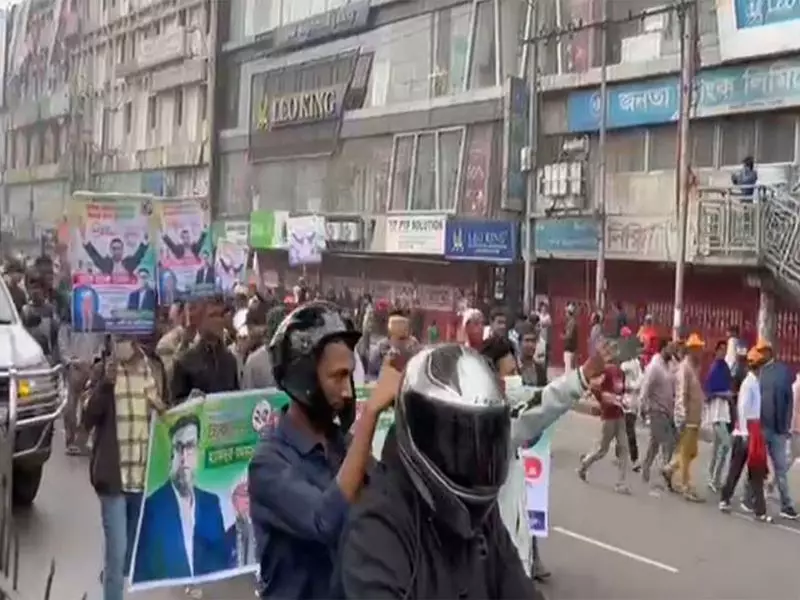
Tarique Rahman, the eldest son of former Prime Minister Khaleda Zia, landed at Hazrat Shahjalal International Airport. His arrival was not a quiet affair. Thousands of enthusiastic BNP supporters and party workers thronged the streets leading from the airport to the city's political heartland. They waved party flags, chanted slogans, and created a festive atmosphere, turning the event into a significant public demonstration of support for the opposition.
The journey from the airport to the BNP's central office at Naya Paltan was slow-moving due to the sheer volume of people. Supporters, many of whom had waited for hours, lined the roads, climbed on rooftops, and filled overpasses to catch a glimpse of their leader. This public display underscores the enduring popularity of the BNP's first family despite the party's recent electoral setbacks and legal challenges.

The Context of Exile and Legal Challenges
Rahman's return follows a prolonged period living abroad, primarily in London. He left Bangladesh after being released on parole in 2008. His time in exile was shadowed by multiple convictions in cases he and his party deem politically motivated. These include a seven-year prison sentence in a graft case and a life sentence for his alleged involvement in an August 21 grenade attack.
The BNP has consistently labeled these cases as tools of political persecution by the ruling Awami League government. Rahman's decision to return now is seen as a bold move to reinvigorate the party's grassroots and challenge the government ahead of future political engagements. His physical presence is expected to galvanize the party rank and file, who have operated under a leadership vacuum at the top for years.
Political Implications and Future Scenarios
The massive turnout for Tarique Rahman's arrival sends a clear message to the political establishment in Dhaka. It demonstrates that the BNP, despite being out of power and facing significant pressure, retains a formidable and mobilizable support base. Analysts suggest this event could mark the beginning of a more aggressive opposition strategy.
However, his return also raises immediate questions. The most pressing is how the government will respond, given the outstanding court sentences against him. Will there be attempts to arrest him? Or will his return be tolerated, potentially leading to a new phase of political negotiation or confrontation? The situation places both the government and the judiciary in a delicate position.
For the BNP, the priorities are clear:
- Consolidating party unity under Rahman's direct leadership.
- Mobilizing public opinion by highlighting his return as a triumph of popular will.
- Challenging the government's narrative and preparing for any upcoming political opportunities.
The streets of Dhaka today were not just filled with people; they were charged with political energy. Tarique Rahman's homecoming is more than a personal journey—it is a pivotal event that has the potential to reshape the dynamics of Bangladeshi politics in the coming months. The world will be watching closely to see the next steps from both the opposition leader and the government in Dhaka.