

Global Fury Erupts Over Escalating Iran Conflict
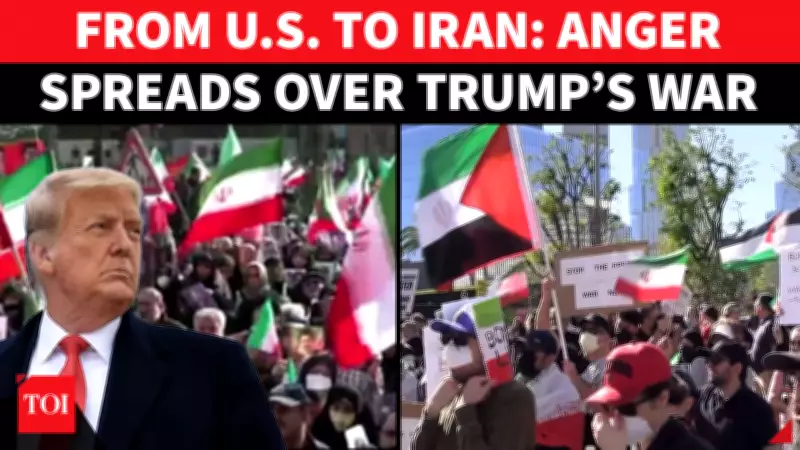
The world witnessed dramatic displays of political division as massive street rallies erupted simultaneously in Tehran and Los Angeles, reflecting the explosive global reaction to the escalating Iran conflict. Thousands of participants took to the streets in what has become a defining moment in the growing Middle East crisis.
Tehran Roars with Nationalist Fervor
In Iran, enormous crowds gathered across major cities in a powerful show of support for the country's new leadership. Following the death of longtime Supreme Leader Ali Khamenei, supporters poured into the streets to express unwavering loyalty to his successor, Mojtaba Khamenei. Participants waved Iranian national flags with patriotic intensity while voicing defiant messages toward the United States and Israel.
The Tehran demonstrations represented more than mere political theater—they signaled a critical moment of national unity during escalating regional tensions. Observers noted the carefully orchestrated nature of the rallies, which appeared designed to project strength and resolve both domestically and internationally.

Los Angeles Echoes with Anti-War Chants
Meanwhile, on the opposite side of the world, anti-war demonstrators gathered in Los Angeles to vocally criticize Washington's deepening involvement in the Iran conflict. Protesters carried signs demanding an immediate end to military escalation and called for diplomatic solutions to the growing crisis.
The Los Angeles protests highlighted significant domestic divisions within the United States regarding foreign policy in the Middle East. Participants expressed concern about the potential for broader regional conflict and questioned the strategic wisdom of continued military posturing.
A World Divided Over Middle East Confrontation
These simultaneous demonstrations in Tehran and Los Angeles underscore how the Iran conflict has become a flashpoint for global political divisions. The contrasting narratives—nationalist support in Iran versus anti-interventionist sentiment in the United States—reveal the complex geopolitical landscape emerging from the current crisis.
Several key factors are driving this global polarization:
- The transition of power in Iran following Ali Khamenei's death
- Escalating military tensions between Iran, the United States, and Israel
- Growing international concern about potential regional war
- Divergent perspectives on sovereignty versus intervention
As the situation continues to develop, these street demonstrations serve as visible manifestations of the deeper political currents shaping international responses to the Iran conflict. The world watches anxiously as diplomatic channels strain under the weight of military posturing and public demonstrations.






