Tamil Nadu Overhauls Prison Leave System with New Furlough Rules
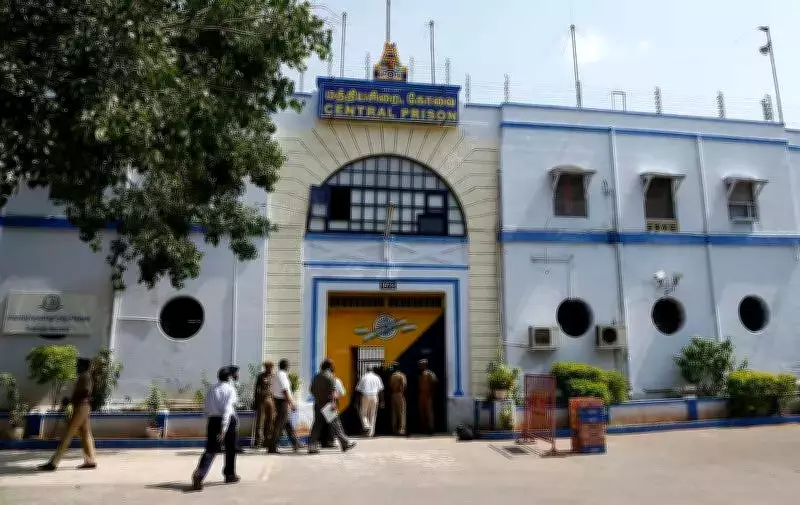
In a significant reform to its correctional framework, the state of Tamil Nadu has formally established a structured furlough system, allowing well-behaved long-term convicts to spend up to 60 days per year outside prison. This period is counted as part of the sentence served, marking a departure from previous ad-hoc arrangements.
New Legal Framework for Furlough
Under the newly enacted Tamil Nadu Prisons (Release on Furlough) Rules, 2026, the Director General of Prisons is authorized to sanction furlough of up to 60 days annually. In exceptional cases aimed at rehabilitation, the State Government can extend this by an additional 60 days. This formalizes a process that previously lacked dedicated legislation, where temporary release was treated as ordinary or emergency leave, often granted in shorter durations and requiring separate government orders or court intervention.
Eligibility Criteria and Exclusions
The rules introduce clear eligibility thresholds, permitting only convicts who have completed at least 10 years in prison and maintained satisfactory conduct to apply for furlough. Each application will undergo individual assessment based on factors including the nature of the offence, past criminal history, prison behaviour, and compliance during any earlier temporary releases.

Certain categories of prisoners are expressly barred from furlough:
- Those convicted of rape or offences under the Protection of Children from Sexual Offences (POCSO) Act
- Individuals involved in serious NDPS (drug) cases
- Prisoners convicted of crimes affecting national security
- Foreign nationals incarcerated in Tamil Nadu prisons
- Inmates involved in grave prison offences such as riots or escape attempts within the past five years
Psychological Benefits and Streamlined Process
The measure is expected to alleviate anxiety and stress among long-term inmates by enabling them to reconnect with families after years of incarceration. "This kind of a government-approved break reduces anxiety among inmates and, after returning to prison, they are usually more cautious and avoid trouble to ensure they do not lose future parole," explained S Ramachandran, a retired prisons deputy inspector general.
The application process has been streamlined with fixed timelines, requiring prison authorities to obtain police and probation reports evaluating safety concerns, risk of absconding, and local impact before forwarding proposals. The rules also empower authorities to revoke furlough at any stage and arrest prisoners without warrant in cases of violation or overstay.
Historical Context and Future Implications
Previously, Tamil Nadu operated without a dedicated furlough law, relying on temporary release mechanisms that were often inconsistent and bureaucratic. The new system represents a progressive step toward rehabilitation-focused corrections, aligning with broader prison reform initiatives. By providing structured opportunities for reintegration, the state aims to foster better behavioural outcomes and reduce recidivism among eligible inmates.