

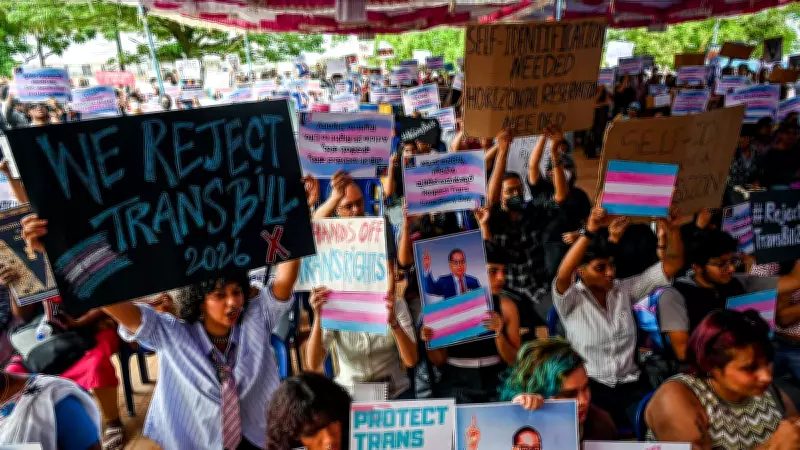
A Worrying Retreat on Transgender Rights: Amendment Risks Further Exclusion
A recent amendment to the Transgender Persons (Protection of Rights) Bill has sparked significant concern among advocates and communities, as it appears to erode the fundamental right to self-identification for transgender individuals. This legislative change, reported on March 20, 2026, threatens to undermine progress made in protecting transgender rights, potentially leading to heightened levels of exclusion and discrimination in various aspects of society.
Erosion of Self-Identification Rights
The amendment specifically targets provisions that previously allowed transgender persons to self-identify their gender without mandatory medical or bureaucratic hurdles. By introducing stricter requirements or removing these safeguards, the bill risks forcing individuals into prolonged and often invasive processes to have their gender recognized legally. This shift contradicts the spirit of the original legislation, which aimed to affirm dignity and autonomy for transgender people.
Experts warn that such changes could have far-reaching consequences, including increased barriers in accessing healthcare, education, employment, and legal protections. Without the right to self-identify, transgender individuals may face additional stigma and marginalization, exacerbating existing inequalities.

Potential Impacts on Inclusion and Discrimination
The weakening of self-identification rights is not merely a procedural issue; it has profound implications for social inclusion. Transgender persons often rely on legal recognition to navigate daily life, from obtaining identification documents to securing housing and services. By making this process more difficult, the amendment could:
- Increase instances of discrimination in public and private sectors.
- Limit access to gender-affirming healthcare and support services.
- Heighten psychological distress and mental health challenges among transgender communities.
- Undermine efforts to promote diversity and inclusion in society.
This legislative retreat comes at a time when global movements are advocating for stronger protections of transgender rights, making the amendment particularly concerning for human rights observers.
Broader Context and Community Response
The Transgender Persons (Protection of Rights) Bill was initially hailed as a step forward in addressing the unique challenges faced by transgender individuals in India. However, this amendment represents a worrying shift that could reverse gains and perpetuate systemic biases. Community leaders and activists have expressed alarm, calling for a reevaluation of the changes to ensure that the bill truly serves its intended purpose of protection and empowerment.
As debates continue, it is crucial to consider the voices of those most affected and to prioritize policies that uphold the principles of equality and self-determination for all individuals, regardless of gender identity.






