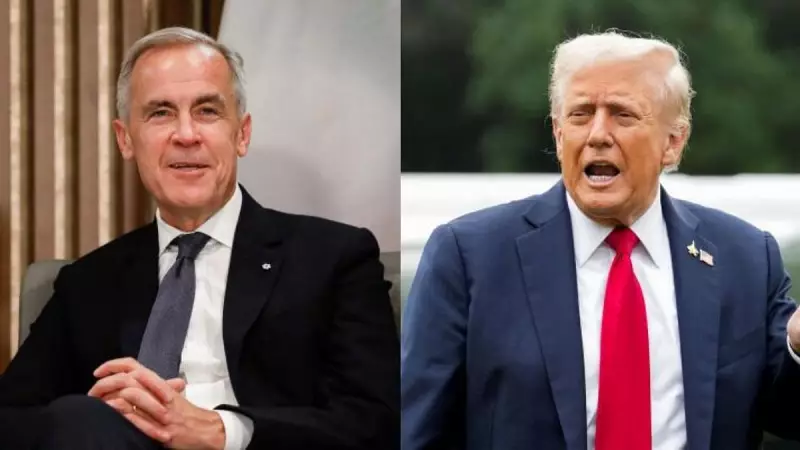
In a significant diplomatic reversal, former United States President Donald Trump has formally revoked an invitation extended to Canadian Prime Minister Mark Carney to participate on the Board of Peace. This decision comes directly in the wake of a highly publicized confrontation between the two leaders during the recent World Economic Forum summit held in Davos, Switzerland.
Background of the Invitation and Initial Acceptance
Earlier this month, President Trump had personally invited Canada to join the prestigious Board of Peace, an international advisory body focused on global conflict resolution and diplomatic initiatives. The invitation was seen as a potential thaw in sometimes-frosty relations between the neighboring nations.
Prime Minister Carney's office had indicated a positive response to the overture, confirming that they had planned to accept the invitation and participate actively in the board's proceedings. Official statements from Ottawa suggested optimism about collaborative efforts on peace-building projects, particularly concerning ongoing international crises.
The Davos Showdown and Its Aftermath
The turning point occurred during panel discussions and private meetings at the Davos summit. Reports indicate that Trump and Carney clashed sharply over several key issues, including economic policies, climate change commitments, and notably, the humanitarian situation in Gaza. The exchange was described by attendees as tense and unproductive, with neither leader willing to concede ground.
Following the summit, President Trump communicated his decision to withdraw the invitation through official channels. The message included the phrase, 'Thank you for your attention to this matter,' which diplomatic analysts interpret as a formal but pointed conclusion to the brief engagement. This revocation marks a rapid deterioration in what had appeared to be a budding diplomatic partnership.
Implications for Canada-US Relations
This development carries significant weight for bilateral relations between the United States and Canada. The Board of Peace invitation was viewed as a symbolic gesture toward greater cooperation, and its withdrawal suggests renewed tensions at the highest levels of government.
Key areas of impact include:
- Diplomatic Channels: The move may complicate ongoing negotiations on trade, security, and environmental agreements between the two nations.
- Global Perception: International observers are likely to view this as a setback for multilateral diplomacy, especially concerning North American leadership on world peace initiatives.
- Political Repercussions: For Prime Minister Carney, this represents a diplomatic snub that could influence domestic political narratives and his administration's foreign policy approach.
Broader Context and Future Prospects
The incident underscores the volatile nature of international diplomacy under the current political climate. The Board of Peace, intended as a platform for conflict resolution, has itself become a focal point of discord between two major Western democracies.
Looking ahead, experts suggest that both nations may need to recalibrate their engagement strategies. While the immediate future of Canada's involvement in the Board of Peace appears closed, there remains potential for dialogue through other multilateral forums or bilateral discussions. However, the shadow of the Davos disagreement will likely linger over future interactions between Trump and Carney.
As of January 23, 2026, neither administration has announced further steps to address the fallout publicly, leaving the diplomatic landscape uncertain. The situation continues to evolve, with implications extending beyond North America to affect global peace and cooperation efforts.