Trump's 'Board of Peace' Faces Irony as Conflicts Engulf Member Nations
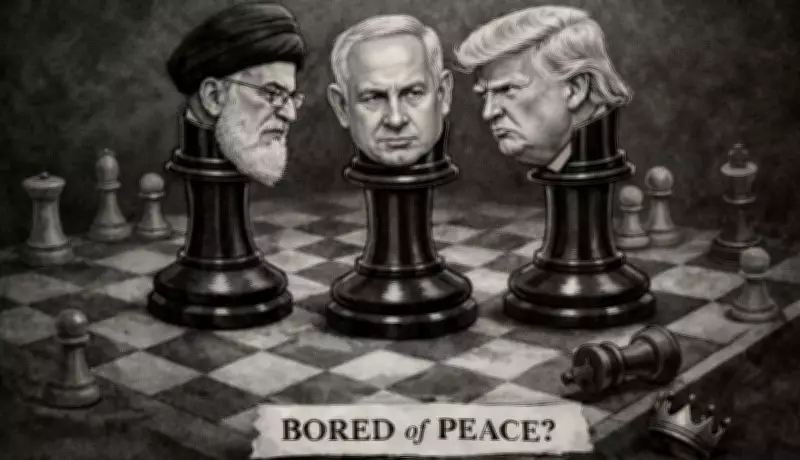
In a striking parallel to the satirical British television series Yes Minister, where incompetent officials were placed in charge of critical departments, former US President Donald Trump's newly formed "Board of Peace" appears to be following a similar dysfunctional pattern. Launched with great fanfare as an alternative to the United Nations, this initiative now finds itself mired in contradiction, with nearly half of its member nations actively involved in military conflicts or escalating tensions.
The Genesis of a Contradictory Peace Initiative
The Board of Peace was unveiled at the World Economic Forum in Davos, featuring a modified version of the UN logo and requiring a substantial entry fee from participating countries. The membership largely comprised nations pressured by the United States to join, particularly regarding Middle Eastern peace efforts, alongside smaller countries seeking to align themselves with Trump's political influence. The founding members included the United States with Trump as permanent chairman, Israel, several Gulf and Middle Eastern nations including Saudi Arabia, UAE, Qatar, Bahrain, Jordan, Egypt, Kuwait, and Morocco, plus additional countries like Azerbaijan, Pakistan, Kazakhstan, Uzbekistan, Indonesia, Vietnam, Hungary, Kosovo, and Argentina.
Current Conflict Landscape Among Member States
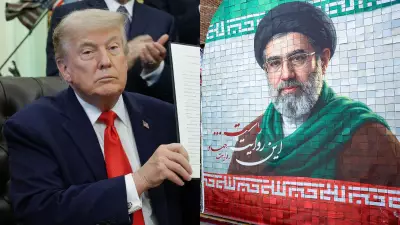
At present, eight of the eighteen Board of Peace members are embroiled in war-like situations or significant military escalations. The United States and Israel have recently conducted attacks on Iran, targeting its missile and nuclear programs with the stated aim of provoking governmental change. Iran retaliated with ballistic missiles and drones directed at Israeli territory and US military installations across the Middle East, including bases in Bahrain, Qatar, UAE, and Kuwait. Jordanian airspace was also violated during these exchanges, prompting defensive responses.

This conflict directly involves seven Board members: the US, Israel, Saudi Arabia, UAE, Qatar, Bahrain, and Jordan. Meanwhile, Pakistan, the sole South Asian member, faces severe tensions with Afghanistan's Taliban government. Pakistan has conducted airstrikes against alleged militant camps in eastern Afghanistan, to which the Taliban responded with artillery attacks along the contested Durand Line border. This situation is further complicated by Pakistan's struggles with the Tehreek-e-Taliban Pakistan (TTP) and Baloch Liberation Front, both operating from Afghan territory.
Historical Precedents of Ironic International Appointments
The irony of nations involved in conflicts leading peace initiatives is not unprecedented. Various countries with questionable human rights records or involvement in violence have historically held prominent positions in United Nations bodies focused on counter-terrorism, human rights, and women's rights. This pattern highlights a recurring theme in international diplomacy where organizational mandates often clash with the actions of member states.
As Vietnamese politician Nguyen Co Thach remarked decades ago regarding skepticism toward the UN, his country had been invaded by four of the five permanent Security Council members. This sentiment echoes in the current context, where peacekeeping bodies frequently include nations actively engaged in warfare.
The Broader Implications for Global Diplomacy
The situation surrounding Trump's Board of Peace raises fundamental questions about the effectiveness of alternative international organizations and the credibility of nations that champion peace while simultaneously pursuing military objectives. With multiple member states currently involved in active conflicts, the board's mission appears compromised from its inception, reflecting broader challenges in global governance and conflict resolution mechanisms.