UP Man Murders Sister Over Inter-Faith Relationship; Father Defends Honor Killing
In a deeply disturbing incident from Uttar Pradesh, a man has been accused of murdering his own sister after discovering she was involved in an inter-faith relationship. The case has sent shockwaves through the community and reignited concerns about honor-based violence in India.
Father Publicly Justifies the Brutal Act
Even more alarming than the murder itself is the response from the victim's father. According to police reports and local authorities, the father openly defended his son's actions. He stated that it was correct to kill a girl who insults her family, directly linking the murder to perceived dishonor brought upon the household.
This justification highlights the dangerous persistence of regressive attitudes that prioritize family reputation over human life. The father's comments have sparked widespread condemnation from human rights activists, women's organizations, and law enforcement officials who emphasize that such violence has no place in modern society.

Details of the Sambhal District Case
The incident occurred in the Sambhal district of Uttar Pradesh, where the victim, a young woman, was allegedly killed by her brother. Preliminary investigations suggest the murder was premeditated and directly motivated by the woman's choice to be in a relationship with someone from a different religious background.
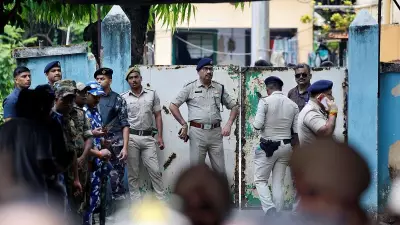
Local police have registered a case and are conducting a thorough investigation. Authorities have confirmed that the brother has been taken into custody, while the father's statements are being examined as potential evidence of motive and family complicity.
Broader Context of Honor Killings in India
This tragic event is not isolated. Honor killings continue to occur across various parts of India, particularly in regions where conservative social norms clash with individual freedoms. These crimes typically target women and sometimes men who defy family expectations regarding:
- Marriage choices
- Religious conversions
- Inter-caste or inter-faith relationships
- Personal autonomy
Despite legal provisions and Supreme Court directives aimed at curbing such violence, enforcement remains inconsistent, and social attitudes often hinder justice for victims.
Legal and Social Implications
The case raises critical questions about the effectiveness of India's legal framework in addressing honor crimes. While laws exist to punish perpetrators, the father's public defense suggests deep-rooted societal acceptance that challenges implementation.
Women's rights advocates are calling for:
- Stricter enforcement of existing laws against honor killings
- Comprehensive awareness campaigns to change societal attitudes
- Better protection mechanisms for individuals in inter-faith or inter-caste relationships
- Swift justice in such cases to serve as a deterrent
The Uttar Pradesh police have assured that the investigation will be conducted thoroughly and that all involved will face appropriate legal consequences. However, many argue that true progress requires addressing the underlying social norms that enable such violence.
As the case develops, it serves as a grim reminder of the work still needed to protect individual freedoms and ensure that no life is lost to outdated notions of honor and family reputation.