J&K CM Omar Abdullah Defends Kishtwar's Ramadan Zakat Collection Order Amid Criticism
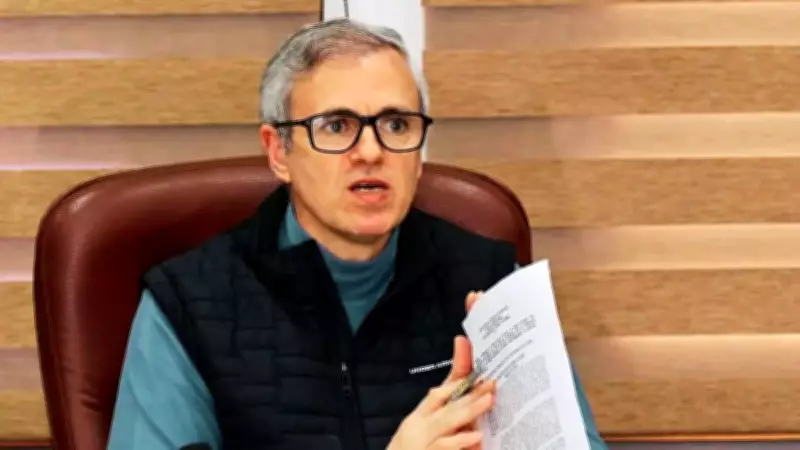
Jammu and Kashmir Chief Minister Omar Abdullah on Friday defended a contentious order issued by local authorities in Kishtwar, Jammu, that regulates the collection of zakat (charity) during the holy month of Ramadan. The move has faced widespread criticism, including from some of his own cabinet colleagues and the Congress party, an ally in the government.
Assembly Address and Clarification
Speaking in the state assembly, Omar Abdullah urged legislators to "not politicise every issue" and provided clarification on the February 18 order. He stated that the Kishtwar deputy commissioner (DC) issued the directive after consulting with religious leaders as a safety measure to prevent donation deceptions. "We shouldn't mix religion with politics. Some matters require dialogue and understanding at the local level rather than political confrontation," Omar emphasized during his address.
The DC's order explicitly aims to curb "unregulated and unauthorised collection of donations by individuals" during Ramadan. It warns against any collection activities by unregistered individuals or institutions without prior permission from the Wakf Board or sub-divisional magistrates, highlighting concerns over fraudulent practices.

Background and Local Consultations
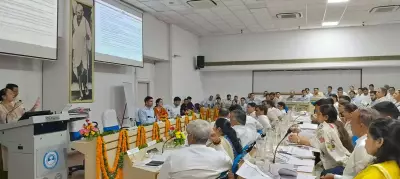
Omar Abdullah referenced a House debate from Thursday where Congress MLAs Nizamuddin Bhat and GA Mir had raised the issue, denouncing the order as an unwarranted interference in religious affairs. "I looked into the matter and found that the DC did not issue the order on his own," the Chief Minister explained.
According to Omar, many stakeholders had expressed concerns about the misuse of charitable collections at a pre-Ramadan meeting with religious leaders in Kishtwar. "They told the DC that genuine charitable organisations suffer losses as donors are misled by fraudulent groups. The DC issued the order on the advice of these religious leaders," he said, noting that the move had been welcomed by the Imam of Jamia Masjid Kishtwar and other clerics in the district.
Political Backlash and Opposition
Despite these explanations, many remained unconvinced. Deputy Chief Minister Surinder Choudhary criticized the order, arguing that such decisions should not be made at the district level when an elected government is in place. Tanvir Sadiq, spokesperson for Omar Abdullah's governing National Conference (NC), also questioned the "localised directive," stating, "I think it is interference in religious affairs."
The opposition Peoples Democratic Party (PDP) joined the chorus of condemnation. Party MLA Waheed Parra contended that charity is not a security issue and urged a reconsideration of the directive. CPI(M) state secretary MY Tarigami went further, asserting that the order effectively "casts suspicion on the entire Muslim community."
BJP Support and Security Concerns
In contrast, the Bharatiya Janata Party (BJP) was the only political entity to welcome the order. J&K leader of opposition Sunil Sharma alleged that some individuals collect zakat during Ramadan and use the funds for "anti-national activities." He called for similar measures to be implemented elsewhere to prevent the misuse of charity for subversive purposes, framing it as a national security concern.
The controversy underscores the delicate balance between religious practices and regulatory oversight in Jammu and Kashmir, with the Kishtwar order becoming a flashpoint for broader political and social debates.