

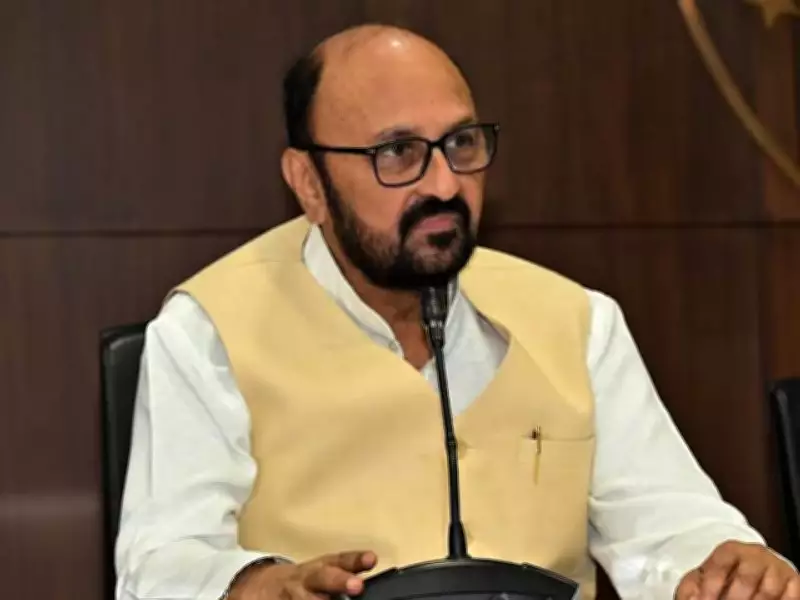
UP Minister Criticizes Popular Nursery Rhyme
A Uttar Pradesh minister has sparked controversy by stating that the widely known nursery rhyme 'Johny Johny Yes Papa' teaches children to lie and goes against Indian cultural values. The minister, who oversees the state's education portfolio, made these remarks during a public event, emphasizing the need to align early childhood education with traditional Indian ethics.
Rhyme Under Scrutiny
The rhyme, which features a child denying eating sugar despite having evidence on his face, has been a staple in many preschools and homes. However, the minister argued that such content normalizes dishonesty among young minds. He stated, "Rhymes like Johny Johny Yes Papa teach children to lie, which is against Indian culture. We must promote values of truthfulness and integrity from a young age."
The minister further suggested that educational materials should be reviewed to ensure they reflect Indian ethos. He called for replacing foreign-origin rhymes with indigenous ones that teach moral lessons, respect for elders, and cultural pride.

Mixed Reactions
The statement has drawn mixed reactions from educators, parents, and cultural commentators. Some support the minister's view, arguing that many popular nursery rhymes originated in Western contexts and may not align with Indian values. Others, however, see the criticism as unnecessary and point out that children understand the playful nature of such rhymes.
Dr. Anjali Sharma, a child psychologist, said, "Children are capable of distinguishing between fantasy and reality. The rhyme is a fun way to teach about consequences, not lying. However, it's important to introduce diverse content that represents our culture."
On social media, the debate intensified, with users sharing alternative Indian rhymes and questioning the government's focus on such issues amid other educational challenges.
Government's Stance on Education
The minister's comments align with the state government's broader push to indigenize the curriculum. Recent initiatives include introducing local folklore, traditional games, and moral education based on Indian philosophy. The government aims to reduce Western influence in schools and strengthen cultural identity.
This is not the first time a political figure has targeted popular children's content. Previously, some states have raised concerns about cartoons and stories that they believe promote negative behavior. The debate highlights the ongoing tension between globalized media and local cultural preservation.
Looking Ahead
As the discussion unfolds, educators are exploring ways to balance global and local content in classrooms. Some suggest incorporating rhymes from different cultures while emphasizing critical thinking. Others advocate for a complete overhaul of early learning materials to reflect Indian traditions.
The minister's remarks have ignited a broader conversation about what children learn from media and how parents and schools can guide them. Whether this leads to policy changes remains to be seen, but it has certainly put the spotlight on the subtle influences of everyday rhymes.






