

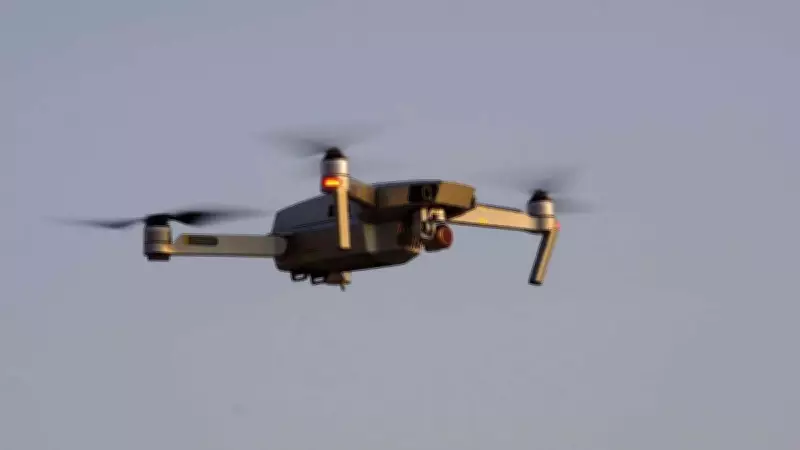
US Nationals Face Legal Action for Unauthorized Drone Operation in Kochi
In a significant breach of aviation security protocols, the Kerala Police have registered a case against two citizens of the United States for allegedly operating an unmanned aerial vehicle (UAV), commonly known as a drone, within a strictly prohibited area in Kochi. The incident, which occurred near the sensitive Cochin Shipyard, has raised serious concerns about potential threats to national security and the enforcement of no-fly zones.
Details of the Incident and Legal Proceedings
The authorities acted swiftly after receiving reports of unauthorized drone activity in the vicinity of the shipyard, a critical infrastructure site. Upon investigation, it was confirmed that the two American nationals had flown the drone in this restricted zone, which is off-limits to such devices due to its strategic importance. The police have booked the individuals under relevant sections of the law, which may include provisions from the Indian Aircraft Act and other security regulations designed to prevent unauthorized aerial surveillance or interference.
This case highlights the growing challenges faced by law enforcement agencies in monitoring and controlling drone usage, especially in sensitive locations. Drones, while useful for various commercial and recreational purposes, pose significant risks when operated in areas like shipyards, military installations, or airports, where they could compromise security or safety.

Implications for Aviation Security and International Visitors
The booking of these US citizens underscores the strict adherence to aviation security norms in India, particularly in regions with high-security installations. Kerala, known for its coastal significance and industrial hubs, has several such restricted zones where drone flights are banned without prior permission from the concerned authorities.
Experts emphasize that this incident serves as a cautionary tale for tourists and foreign nationals visiting India, reminding them to familiarize themselves with local laws regarding drone usage. Violations can lead to severe legal consequences, including fines, detention, or even deportation, depending on the severity of the breach.
- The Cochin Shipyard is a key facility for shipbuilding and repair, making its airspace a no-drone zone to prevent espionage or accidents.
- Indian regulations require drone operators to obtain necessary permits from the Directorate General of Civil Aviation (DGCA) for flights in most areas, with stricter rules near sensitive sites.
- This case may prompt increased surveillance and awareness campaigns to prevent similar incidents in the future, especially in tourist-heavy states like Kerala.
As investigations continue, the Kerala Police are likely to scrutinize the intent behind the drone flight and whether it was merely a recreational mistake or had more sinister motives. The outcome of this case could set a precedent for how such violations are handled, balancing security concerns with the rights of individuals.






