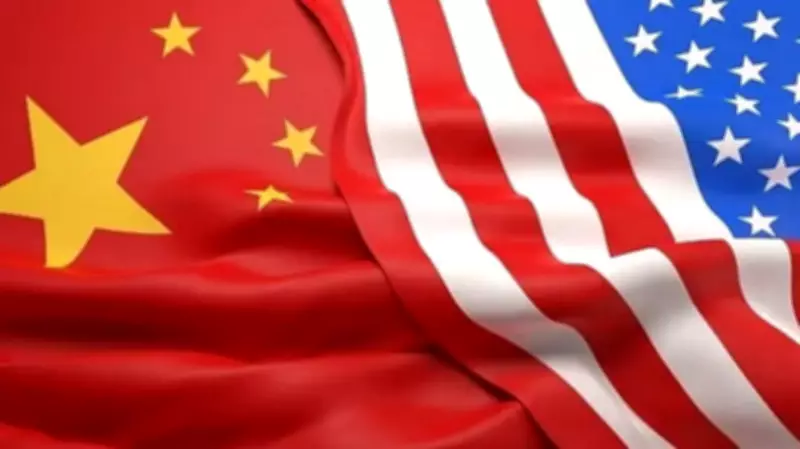
US Intelligence Reports Reveal China's Expanding Involvement in Iran Conflict
Recent intelligence assessments from the United States have uncovered evidence that China is adopting a significantly more active and direct role in the ongoing war involving Iran. This development marks a notable shift in Beijing's foreign policy approach, suggesting a deeper strategic engagement in Middle Eastern conflicts than previously acknowledged.
Debate in Beijing Over Missile Shipments to Iran
According to the International New York Times, a high-level debate is currently underway within Chinese government circles regarding the potential dispatch of advanced missile systems to Iran. This internal discussion, which includes military and diplomatic officials, underscores the seriousness with which China views its interests in the region. The mere fact that such a debate is occurring publicly indicates that China perceives itself as having a substantial and growing stake in the outcome of the Iran war.
Analysts interpret this move as part of China's broader strategy to expand its geopolitical influence and secure energy resources. By considering direct military support through missile technology, Beijing is signaling its willingness to challenge traditional power dynamics in the Middle East, potentially altering the balance of forces in the conflict.

Implications for Global Security and Diplomacy
The increased Chinese involvement, as detailed in US intelligence reports, raises significant concerns for international stability. It complicates diplomatic efforts to resolve the war and may escalate tensions between major global powers. This situation could lead to a more protracted and volatile conflict, with far-reaching consequences for regional and global security.
Key points from the intelligence findings include:
- China's role has evolved from passive observer to active participant in the Iran war.
- The missile debate in Beijing reflects a calculated assessment of China's strategic interests.
- US officials are closely monitoring these developments for potential impacts on allied operations.
- This shift may influence future arms control negotiations and sanctions policies.
As of April 11, 2026, these revelations highlight the complex and interconnected nature of modern international conflicts, where regional wars increasingly draw in global actors with competing agendas.