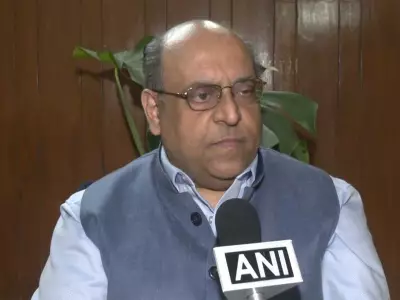
India's peak power demand is projected to reach 300 gigawatts (GW) next year, according to a government minister. The announcement was made on July 8, 2026, with the minister stating that the country's current available power capacity stands at 284 GW, which is sufficient to meet all types of demand.
Current capacity and future projections
The minister highlighted that the existing power infrastructure is robust enough to handle the anticipated growth. The 284 GW capacity includes contributions from thermal, hydro, nuclear, and renewable sources. This capacity has been steadily increasing over the years to support the nation's economic growth and rising electricity consumption.
India's peak power demand has been growing rapidly due to industrialization, urbanization, and increased access to electricity in rural areas. The forecast of 300 GW reflects the government's efforts to expand generation capacity and improve grid management.

Meeting demand through diverse sources
The minister emphasized that the government is focusing on a diversified energy mix to ensure reliability and sustainability. Renewable energy, particularly solar and wind, plays a key role in meeting peak demand. The country has set ambitious targets for renewable capacity, aiming to reduce carbon emissions while ensuring energy security.
Coal remains a significant part of the energy mix, but the government is also investing in hydroelectric and nuclear power to provide baseload support. The minister noted that the capacity additions are planned to keep pace with demand growth, avoiding any shortfall.
Impact on consumers and industries
The projected increase in peak demand is expected to have implications for power pricing and grid stability. The government is working on measures to manage peak loads, including demand-side management and energy efficiency programs. Industries and households are encouraged to adopt energy-saving practices to reduce strain on the grid during peak hours.
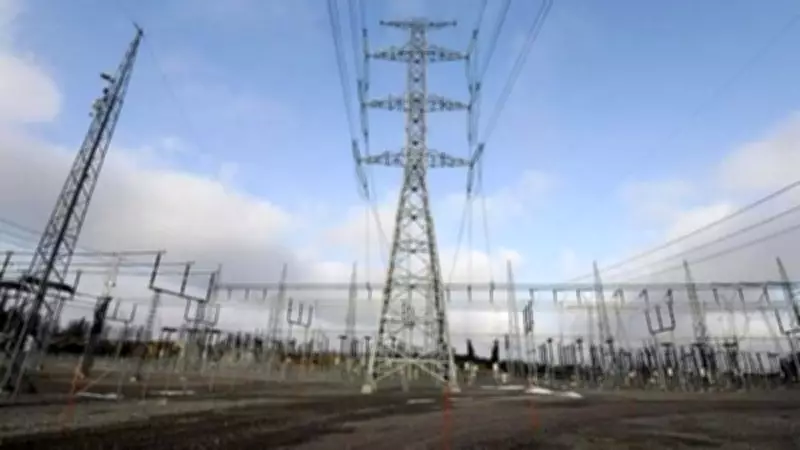
The minister assured that the power sector is well-prepared to handle the upcoming demand surge. Investments in transmission and distribution infrastructure are ongoing to ensure reliable supply across the country.