Viral 2026 Delhi Lockdown Notice Debunked as April Fool's Hoax
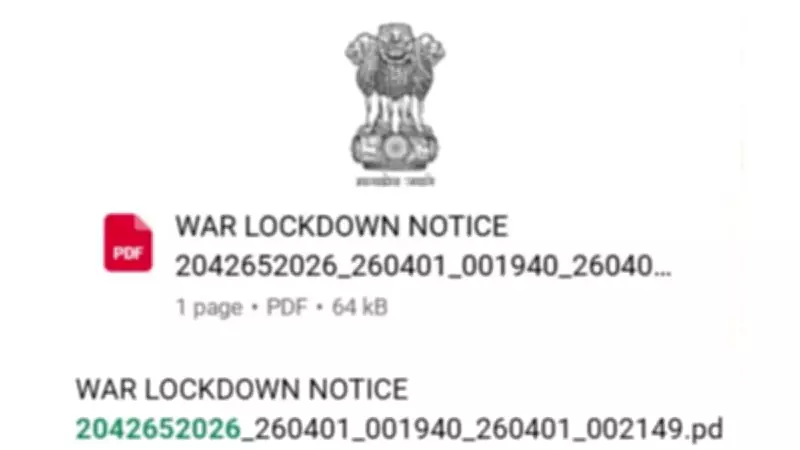
A fabricated notice announcing a partial lockdown in Delhi, supposedly scheduled for April 1, 2026, spread rapidly across social media platforms, causing widespread confusion and concern among residents. The document, which appeared to be an official government order, claimed that a lockdown would be imposed due to unspecified "war-like" conditions, leading many to panic and share the message without verification.
Details of the Fake Notice
The viral message, often circulated as a PDF or image, featured official-looking logos and language mimicking government communications. It stated that a partial lockdown would be enforced in Delhi starting April 1, 2026, citing emergency measures. The notice included specific restrictions on movement and gatherings, similar to those seen during the COVID-19 pandemic, which added to its credibility among unsuspecting users.
Authorities Issue Clarification
Government officials and law enforcement agencies quickly stepped in to debunk the hoax. They confirmed that no such lockdown notice has been issued and labeled the message as a malicious April Fool's prank. Authorities emphasized that the notice is entirely fake and urged the public not to spread unverified information, which can lead to unnecessary fear and disruption.

- The notice is not an official document and has no legal standing.
- No lockdown or emergency measures are planned for Delhi in 2026.
- The public should rely on verified sources like government websites for accurate information.
Impact and Public Reaction
The viral message caused a significant stir, with many people expressing anxiety and questioning the validity of the notice. Social media platforms were flooded with posts and shares, highlighting how quickly misinformation can spread in the digital age. This incident underscores the importance of critical thinking and fact-checking before believing or forwarding such content.
Experts warn that hoaxes like this can have real-world consequences, including economic disruptions and public health concerns, even if they are not based on facts.How to Identify Fake Notices
To avoid falling for similar hoaxes in the future, consider these tips:
- Check the source: Verify if the notice comes from an official government website or recognized authority.
- Look for inconsistencies: Fake notices often contain spelling errors, incorrect dates, or vague details.
- Consult trusted news outlets: Reliable media sources typically report on official announcements promptly.
- Use fact-checking tools: Websites and apps dedicated to debunking misinformation can help confirm authenticity.
In conclusion, the viral lockdown notice for Delhi in 2026 has been confirmed as an April Fool's hoax. Authorities advise the public to remain vigilant and always verify information from credible sources to prevent the spread of false alarms.