

New York's Anti-Caste Bills: A Missed Opportunity
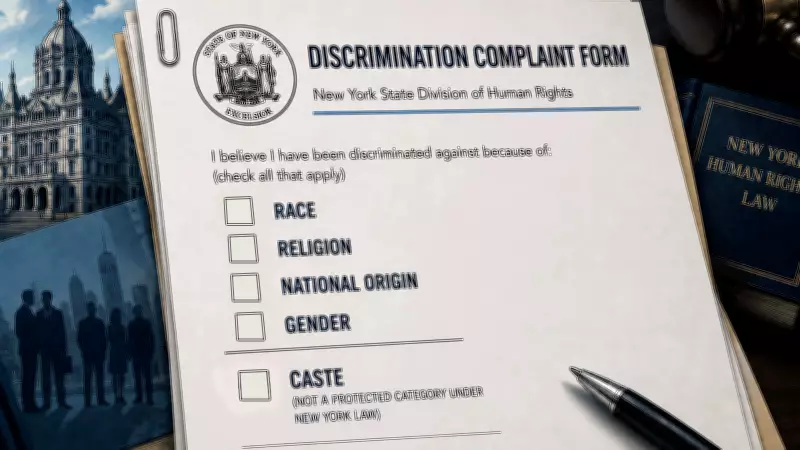
In a significant setback for advocates of caste equity, New York State failed to pass its proposed anti-caste discrimination bills during the recent legislative session. The bills, which aimed to add caste as a protected category under state anti-discrimination laws, encountered strong opposition from various quarters, leading to their eventual demise.
The Core of the Controversy
The proposed legislation sought to prohibit discrimination based on caste in housing, employment, and public accommodations. Supporters argued that caste-based prejudice persists among South Asian communities in the United States, affecting opportunities and social interactions. However, opponents raised concerns about the bills' potential to stigmatize specific communities and create legal ambiguities.
Key points of contention included the definition of caste and its applicability to religious groups. Critics, including some Hindu American organizations, contended that the bills unfairly targeted Hindus and could lead to frivolous lawsuits. They also questioned the necessity of such laws, asserting that existing protections against discrimination were sufficient.

Political Dynamics and Lobbying Efforts
The failure of the bills highlights the complex political landscape in New York. Powerful lobbying groups, including those representing South Asian business interests, mobilized against the legislation. They argued that the bills would harm the state's economy and create divisions within immigrant communities. Additionally, some lawmakers expressed concerns about the bills' constitutionality and potential conflicts with religious freedom.
Proponents, including civil rights organizations and progressive legislators, mounted a vigorous campaign. They cited studies showing widespread caste discrimination in the diaspora, particularly in tech industries and academic institutions. Despite their efforts, the bills could not muster sufficient support in the state Senate and Assembly.
National Implications
New York's failure to pass the anti-caste bills has broader implications for the national movement to recognize caste as a protected category. Earlier in 2023, Seattle became the first city in the US to ban caste discrimination, and California is considering similar legislation. The New York setback may embolden opponents in other states, while activists regroup and refine their strategies.
The debate also reflects the evolving discourse on caste in America. While caste is not a legally recognized category in the US, its social impact is increasingly acknowledged. The failure in New York underscores the challenges of translating awareness into legislative action.
As the conversation continues, advocates vow to reintroduce the bills in the next session, hoping to build on the momentum generated by the ongoing dialogue. For now, the failure serves as a reminder of the deep divisions and the work needed to achieve caste equity in the United States.






