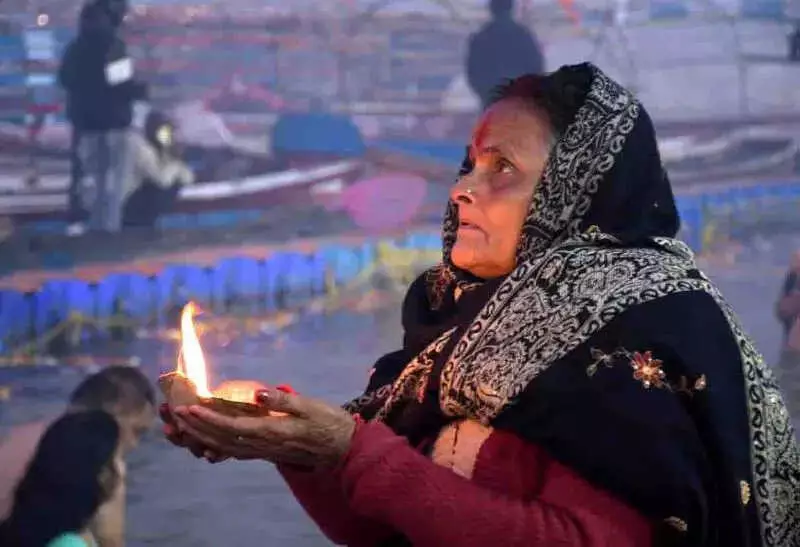
Prayagraj Police Launch Comprehensive Strategy for Magh Mela
Chief Minister Yogi Adityanath issued clear instructions to Magh Mela police authorities. He demanded zero-error measures for the ongoing religious congregation. Officials responded with an immediate rollout of an eight-point special plan. This strategy aims to regulate the massive influx of devotees during Makar Sankranti and the upcoming Mauni Amavasya.
Traffic and Crowd Management Framework
The detailed scheme established several critical controls. Police declared the entire mela area a strict no-vehicle zone. They implemented a one-way traffic system for all approaching routes. Authorities also restricted general vehicle entry with specific permissions. Strong barricades created necessary diversions at key points.
Officials designated multiple holding areas for waiting devotees. A primary rule prohibited any overcrowding on the sacred ghats. SP Neeraj Pandey explained the geographical approach to TOI. "We observed devotees arriving from seven distinct directions," Pandey stated. "Our appeal focused on using the designated ghats closest to their arrival points."

Designated Bathing Zones by Origin
Police created a systematic分流 system based on pilgrim origin. Devotees traveling from Rewa, Satna, Chitrakoot, Banda, and Mirzapur received directions. They were diverted to specific ghats including Someshwar Mahadev, Sangam Arail, and Chandra Madhav. Adjoining areas also accommodated these groups.
Pilgrims arriving from Jaunpur and Varanasi used different locations. They took their holy dips at the ghat situated between pontoon numbers four and five. The Eravat ghat also served this eastern contingent.
Those coming from Kanpur, Lucknow, Kaushambi, and Ayodhya had separate arrangements. They flocked to Sangam ghat, Hanuman ghat, Sangam Ram ghat, and Mori ghat. Additional options included Shivala and Nagbasuki ghats for their sacred baths.
Security Deployment and Infrastructure
The administration prioritized safety for millions seeking punya. They deployed joint teams of mela police and paramilitary personnel. These teams manned twenty-four static points around the clock. Their sole purpose was regulating the continuous flow of devotees.
Makar Sankranti celebrations gained momentum from Wednesday afternoon. The auspicious timing began precisely at 3:13 PM. A steady stream of devotees immediately appeared at all twenty-four ghats. These ghats span locations at Parade, Arial, and Jhunsi.
Authorities formed twenty special teams for ghat management. These teams worked alongside the Jal police unit. They maintained strict surveillance across all bathing areas. SP Pandey emphasized particular watch on Sangam Nose and Eravat ghat.
Preparations for Mauni Amavasya
Officials confirmed elaborate security arrangements for January 18. Mauni Amavasya snan expects an enormous turnout. Estimates predict between three to four crore devotees for the amrit snan.
Crowd control remains the absolute top priority. Police enforced strict prohibitions on blocking entry or exit routes. Strong barricading combined with stationed police forces at key spots. Senior officials monitored everything from the Integrated Command and Control Center. They conducted regular reviews at static points, border areas, and the city.
"Millions continue to flock to the ghats," Pandey noted. "We established elaborate security for Makar Sankranti." A formidable force of 15,000 policemen received deployment orders. This included paramilitary personnel equipped with modern gadgets. All personnel performed duties at fixed static locations.
Support Facilities and Operational Protocols
The administration created temporary holding areas for crowd management. They also arranged adequate parking facilities for vehicles. Overnight stay arrangements were set up at designated spots. A strict rule banned anyone from staying or sleeping directly on the ghats.
Wednesday and Thursday presented significant challenges due to massive crowds. Authorities suspended all VIP protocols during this peak period. Mela police operated pontoon bridges with systematic precision. They carefully acknowledged real-time crowd strength before any movements.

The construction of an eight-kilometer-long ghat area facilitated operations. This space encompasses all twenty-four individual ghats. Officials actively encouraged devotees to use the ghat nearest their entry point. They advised returning from that same location without moving toward Sangam Nose.
At prominent ghats, authorities deployed evacuation teams statically. Twenty dedicated teams worked to prevent dangerous overcrowding situations. This comprehensive approach ensures smoother pilgrim movement during the entire Magh Mela period.