

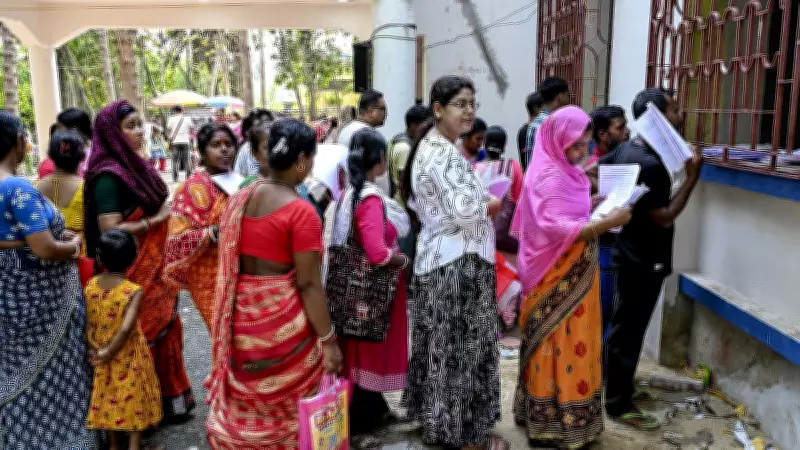
Election Commission Approves 139 Tribunal-Cleared Voters for West Bengal Phase 1
In a significant development ahead of the West Bengal Assembly Elections 2026, the Election Commission of India has announced that 139 electors, who have been cleared by tribunals, will be permitted to cast their votes in the first phase of polling scheduled for April 23, 2026. This decision underscores the EC's commitment to ensuring inclusive and fair electoral processes, particularly in resolving voter eligibility disputes through legal channels.
Enhanced Accessibility Through Online Portal
The Election Commission has further facilitated transparency and convenience by making the lists of these approved voters accessible through its dedicated online portal. This move allows citizens, political parties, and observers to easily verify and monitor voter eligibility, thereby promoting accountability and reducing potential conflicts during the election period. The online availability is part of the EC's broader digital initiatives to streamline electoral operations and enhance public trust.
Background on Special Intensive Revision
This announcement follows a special intensive revision conducted by the Election Commission to update and scrutinize voter rolls in preparation for the West Bengal Assembly Elections. The revision process involved thorough checks and tribunal hearings to address discrepancies and ensure that only eligible individuals are included in the electoral lists. By allowing these 139 tribunal-cleared electors to participate, the EC aims to uphold democratic principles and minimize disenfranchisement.

Implications for the Upcoming Elections
The inclusion of these voters could have notable implications for the electoral outcomes in key constituencies, as every vote counts in closely contested assembly elections. Political analysts suggest that such measures by the Election Commission reflect a proactive approach to handling legal challenges and maintaining the integrity of the voting process. As the first phase approaches, stakeholders are closely monitoring these developments to assess their impact on campaign strategies and voter turnout.
Overall, this decision highlights the Election Commission's role in safeguarding electoral fairness and adapting to modern technological tools for better governance. With the lists now online, the public can stay informed and engaged in the democratic exercise, reinforcing the importance of transparency in India's electoral system.






