Assembly Elections 2026: Full Polling Schedule Released, DMK Unveils Manifesto
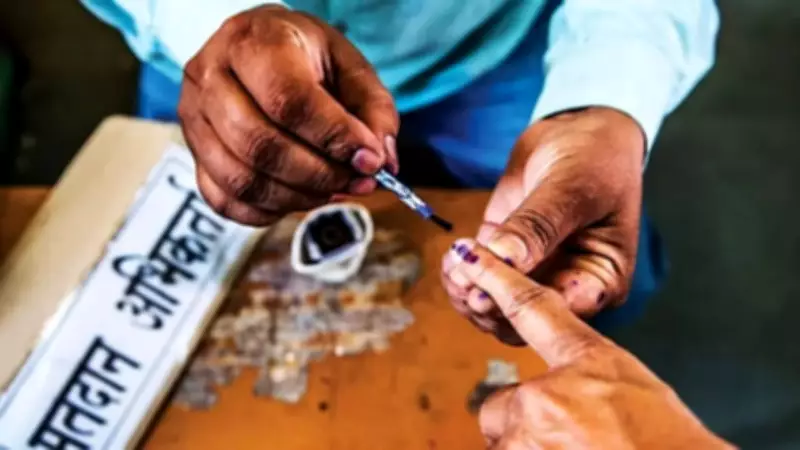
The Election Commission of India has officially announced the comprehensive schedule for the highly anticipated 2026 Assembly elections, covering five crucial regions: Kerala, West Bengal, Tamil Nadu, Assam, and the Union Territory of Puducherry. Polling is set to take place between April 9 and April 23, with the vote counting scheduled for May 4, marking a pivotal moment in India's democratic process as these states brace for intense political competition.
Election Commission's Preparatory Measures and State-Wise Highlights
In a significant move to ensure free and fair elections, Chief Election Commissioner Gyanesh Kumar, along with Election Commissioners Sukhbir Singh Sandhu and Vivek Joshi, conducted extensive visits to the poll-bound states earlier this month to review preparedness. The Commission has invoked its plenary powers under Article 324 of the Constitution and Section 20B of the Representation of the People Act, 1951, deploying Central Observers to oversee election conduct and strengthen on-ground management.
Key state-wise polling details include:

- West Bengal: Two-phase polling on April 23 and 29, featuring a direct contest between the Trinamool Congress (TMC) and the Bharatiya Janata Party (BJP), with approximately 60 lakh doubtful voter cases under judicial review.
- Assam: Single-phase polling on April 9, where the BJP faces challenges from the Congress and regional parties, supported by heavy deployment of Central Armed Police Forces (CAPF) to ensure smooth voting.
- Tamil Nadu: Single-phase polling on April 23, setting the stage for a three-way contest involving the DMK-led alliance, the AIADMK-BJP combine, and the newly formed Tamilaga Vettri Kazhagam (TVK).
- Kerala and Puducherry: Polling on April 9, with tight battles expected between the Left Democratic Front (LDF), United Democratic Front (UDF), and other regional and national parties.
Recent Developments and Political Controversies
In West Bengal, the Election Commission has published the fourth supplementary voter list following SIR adjudications, though details on deletions or inclusions remain undisclosed. Additionally, in a major administrative reshuffle, the Commission transferred officers-in-charge and inspectors-in-charge of 173 police stations across the state, including key constituencies like Bhabanipur and Nandigram, to ensure neutrality and a level playing field. This move has sparked friction, with Chief Minister Mamata Banerjee alleging political motivations behind the transfers.
In Tamil Nadu, DMK President and Chief Minister M.K. Stalin released the party's manifesto for the April 23 Assembly polls, which includes the 'Illatharasi' scheme offering an Rs 8,000 coupon for women to purchase household appliances. AIADMK General Secretary Edappadi K. Palaniswami criticized this as a "commission" scheme, accusing the DMK of corruption and failing to fulfill past promises. Meanwhile, TVK chief Vijay announced his candidacy from Perambur and Trichy East constituencies, emphasizing commitments to women's safety, a drug-free state, and youth welfare with financial assistance proposals.
In Kerala, Samastha Kerala Jamiyyathul Ulama president Sayyid Muhammad Jifri Muthukoya Thangal urged leaders to avoid dragging the organization into political controversies, following criticism from a Samastha leader over the Indian Union Muslim League fielding women candidates from general seats. The state is set for a closely watched contest between the LDF and UDF.
Security Arrangements and Electoral Integrity
To maintain law and order, over 1.4 lakh Central Armed Police Forces personnel and state police have been deployed across the five regions. Central observers, judicial officials, and returning officers are actively monitoring the process to ensure a transparent and fair voting experience. The elections are poised to be a critical test of political alliances and public sentiment, with outcomes likely to influence regional and national dynamics.