

Central Government Formalizes 27% OBC Quota in Direct Recruitment
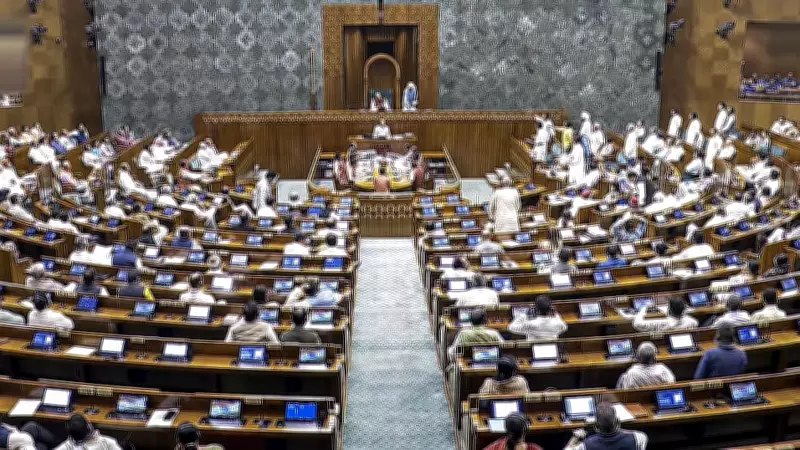
The Government of India has officially enacted a significant reservation policy, mandating a 27% quota for Other Backward Classes (OBCs) in all direct recruitment processes across central government departments. This landmark decision was formally announced in the Lok Sabha, marking a pivotal step in the nation's social justice framework.
Parliamentary Announcement and Implementation Details
Minister of State for Social Justice and Empowerment, B L Verma, provided a detailed response to a parliamentary question, confirming the active implementation of this reservation policy. The Department of Personnel and Training (DoPT) has been designated as the primary agency responsible for executing and overseeing this directive across all central government recruitment channels.
The policy ensures that 27% of all direct recruitment positions in central government services are exclusively reserved for candidates belonging to the OBC category. This measure is designed to enhance representation and provide equitable opportunities in public sector employment, aligning with constitutional mandates for social upliftment.

Scope and Impact of the Reservation Policy
The implementation covers a wide array of recruitment avenues, including but not limited to:
- Civil services examinations conducted by the Union Public Service Commission (UPSC)
- Staff Selection Commission (SSC) recruitments for various Group B and Group C positions
- Direct recruitment drives in central public sector undertakings (PSUs)
- Autonomous bodies and institutions under the central government's purview
This policy is expected to significantly alter the demographic composition of the central government workforce, fostering greater inclusivity and diversity. By institutionalizing this quota, the government aims to address historical disparities and promote social equity through structured affirmative action.
Context and Historical Background
The reservation for OBCs in central government jobs has been a longstanding demand, rooted in the recommendations of the Mandal Commission. The current implementation formalizes and expands upon previous initiatives, ensuring a consistent and enforceable framework across all recruitment processes.
Minister B L Verma emphasized that this policy is part of a broader commitment to social justice and empowerment, reinforcing the government's dedication to creating a more representative administrative machinery. The DoPT will monitor compliance and address any operational challenges to ensure seamless integration of the quota system.
This announcement in the Lok Sabha underscores the legislative and executive synergy in advancing social welfare policies, setting a precedent for future initiatives aimed at marginalized communities.






