

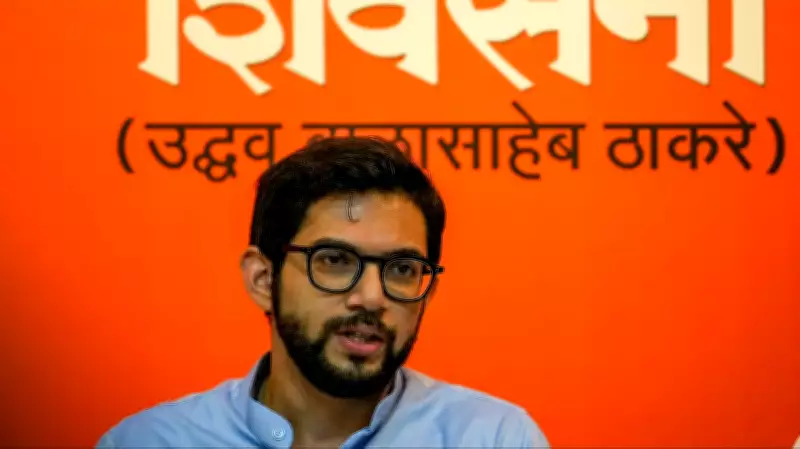
Aaditya Thackeray Condemns Women's Quota Bill as a Democratic Setback
Shiv Sena (UBT) leader Aaditya Thackeray has launched a scathing critique of the Women's Reservation Bill, asserting that its passage would have resulted in a significant defeat for democracy and the Constitution of India. In a recent statement, Thackeray emphasized that the bill, as currently drafted, fails to address fundamental democratic principles and could undermine the very foundations of the nation's governance.
Key Concerns Raised by the Shiv Sena Leader
Thackeray highlighted several critical issues with the proposed legislation, which aims to reserve one-third of seats in the Lok Sabha and state legislative assemblies for women. He argued that the bill lacks proper implementation mechanisms and does not ensure fair representation across all sections of society. According to Thackeray, this oversight could lead to the marginalization of certain groups, thereby weakening democratic processes.
Thackeray stated, "The Women's Quota Bill, in its present form, would have ensured the defeat of democracy and the Constitution. It is essential to revisit the provisions to safeguard our democratic values."His remarks come amid ongoing debates in Parliament, where the bill has faced opposition from various political factions. Thackeray's criticism adds to the growing chorus of voices questioning the bill's efficacy and timing.

Political Implications and Broader Context
The Women's Reservation Bill has been a contentious issue in Indian politics for decades, with proponents arguing it is necessary to enhance gender equality in governance. However, opponents like Thackeray contend that it may not achieve its intended goals without comprehensive reforms. He pointed out that the bill does not include adequate safeguards for backward communities and could inadvertently perpetuate existing inequalities.
Thackeray's stance reflects the broader political dynamics within the Shiv Sena (UBT) and its alignment with opposition parties on this matter. As a key figure in Maharashtra politics, his views are likely to influence public opinion and legislative discussions in the state and beyond.






