Tragic Accidents That Reshaped the Course of Indian Politics
Indian politics is typically defined by predictable forces: elections that bring sweeping mandates, strategic defections that shift alliances, and mass movements that capture public sentiment. However, beneath this structured surface lies a more unpredictable element that has occasionally altered the nation's political destiny: sudden, tragic accidents that have abruptly removed influential leaders from the scene.
The Unforeseen Impact of Sudden Losses
From devastating plane crashes to fatal road mishaps, these unexpected events have done far more than merely end individual political careers. They have created immediate leadership vacuums within parties and governments, triggering intense succession struggles that often reshuffled internal hierarchies. At both state and national levels, such incidents have forced realignments of political equations, sometimes derailing established trajectories and opening doors for new faces and factions to emerge.
Historical Examples of Political Transformations
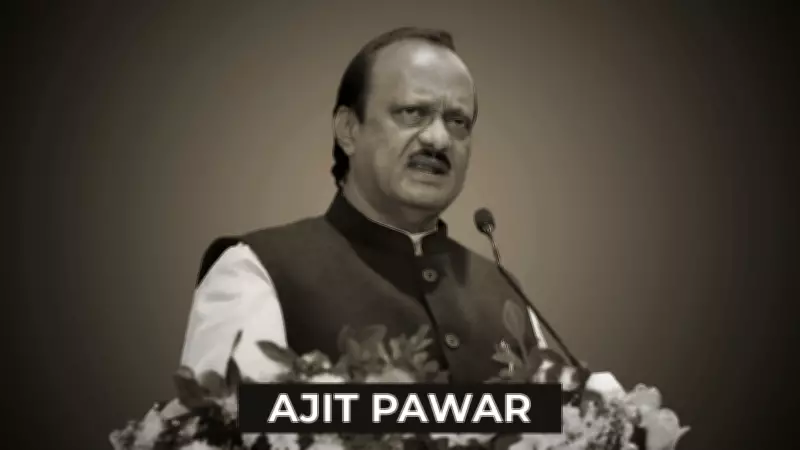
The annals of Indian political history are marked by several such pivotal moments. The untimely death of Rajesh Pilot in a car accident in 2000, for instance, left a significant void in the Congress party's leadership, affecting its dynamics in Rajasthan and at the centre. Similarly, more recent incidents involving figures like Ajit Pawar have demonstrated how sudden absences can destabilize regional power structures and influence broader coalition politics.

These accidents often occur without warning, leaving parties scrambling to manage the aftermath. The consequences extend beyond mere personnel changes; they can alter policy directions, affect electoral strategies, and redefine political narratives for years to come. In a landscape where personal charisma and regional influence play crucial roles, the loss of a key leader can shift the balance of power in unexpected ways.
Analyzing the Broader Implications
Understanding these tragic events provides insight into the fragile nature of political stability in India. They highlight how contingent political fortunes can be, dependent not just on votes and alliances but also on the unpredictable hand of fate. As we reflect on these incidents, it becomes clear that Indian politics is shaped not only by deliberate actions but also by moments of profound and sudden change, reminding us of the human element at its core.