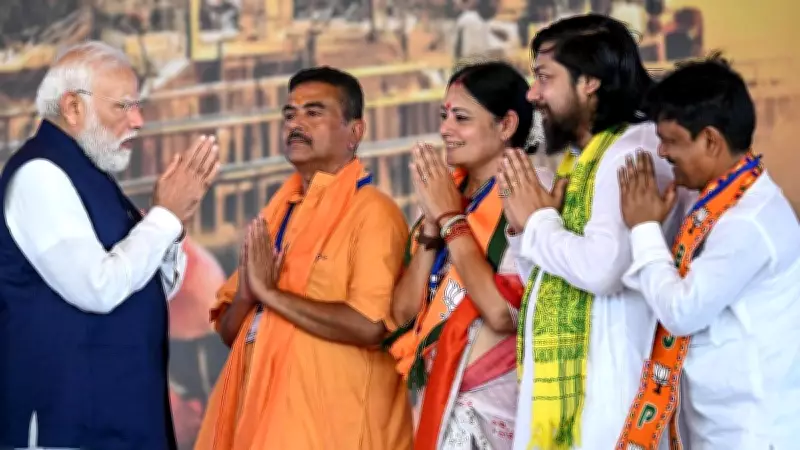
Suvendu Adhikari, the newly elected Chief Minister of West Bengal, has unveiled a cabinet that mirrors the state's geographical and ethnic diversity. The lineup includes ministers from different regions and communities, aiming to bridge the historical divides that have shaped Bengal's political landscape.
Breakthrough in 2019 Elections
The Bharatiya Janata Party's (BJP) breakthrough in West Bengal came during the 2019 Lok Sabha elections, when it secured 18 of the 42 parliamentary seats in the state. This unprecedented surge altered the political dynamics, setting the stage for future electoral battles.
Cabinet Composition
Adhikari's cabinet includes representatives from the northern hills, the southern coastal areas, the western districts bordering Jharkhand, and the eastern regions near Bangladesh. Ethnic communities such as the Gorkhas, Rajbanshis, and tribal groups have been given prominent portfolios, signaling an inclusive approach.

- Geographic Representation: Ministers from North Bengal, South Bengal, and the Sundarbans region ensure balanced regional development.
- Ethnic Inclusion: Key posts have been allocated to leaders from minority communities, including Muslims and Scheduled Castes.
Political Strategy
Observers note that this move is a strategic effort to consolidate support across diverse voter bases. By addressing regional disparities and ethnic sensitivities, Adhikari aims to strengthen the party's foothold in the state ahead of future elections.
The cabinet lineup has drawn mixed reactions, with some praising its representative nature and others questioning the exclusion of certain influential factions. Nonetheless, it marks a significant step in post-election governance in West Bengal.