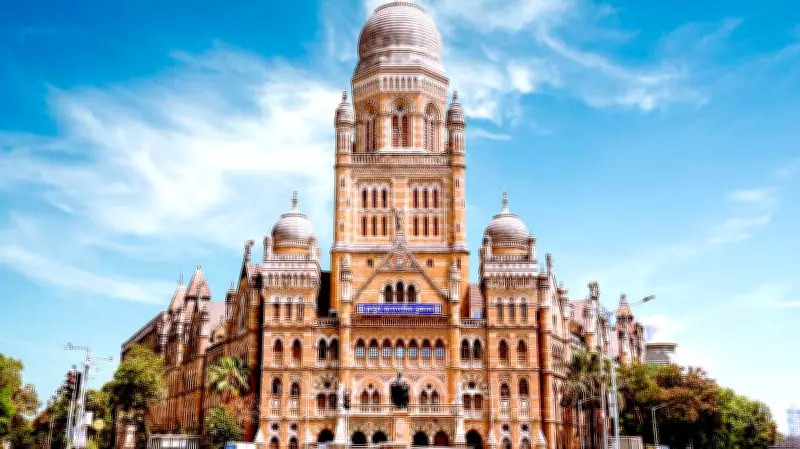
ADR Report Exposes Criminal and Financial Profiles of BMC Winners
A recent analysis by the Association for Democratic Reforms (ADR) has shed light on the backgrounds of candidates who secured victories in the Brihanmumbai Municipal Corporation (BMC) elections. The study, which scrutinized affidavits from all 227 winning candidates, uncovered startling statistics regarding criminal records and wealth accumulation among the elected representatives.
High Incidence of Criminal Cases Among Winners
The ADR report indicates that a significant portion of the BMC winners, specifically 24 per cent, have declared criminal cases against them. This translates to more than one in every four elected officials facing legal scrutiny. Even more concerning is the finding that 13 per cent of these winners are implicated in serious criminal charges, which include offenses such as murder, attempt to murder, kidnapping, and crimes against women. This data raises serious questions about the integrity and ethical standards of individuals entrusted with governing Mumbai's civic affairs.
Wealth Disparity: 79% of Winners Are Crorepatis
In addition to criminal backgrounds, the ADR analysis highlights a pronounced financial disparity among the BMC winners. A staggering 79 per cent of the elected candidates are crorepatis, meaning they possess assets worth over one crore rupees. This figure underscores the dominance of affluent individuals in local politics, potentially marginalizing candidates from less privileged backgrounds. The study points to a trend where financial muscle often correlates with electoral success, raising debates about equitable representation and the influence of money in democratic processes.

Implications for Mumbai's Governance and Democracy
The findings from the ADR report have sparked widespread discussion on the state of democracy and governance in Mumbai. With nearly a quarter of BMC winners entangled in criminal cases and the overwhelming majority being crorepatis, there are growing concerns about the effectiveness and transparency of civic administration. Experts argue that such profiles may hinder impartial decision-making and public trust, especially in a metropolis like Mumbai, which faces numerous urban challenges. The report calls for stricter vetting processes and electoral reforms to ensure that candidates with clean records and diverse socioeconomic backgrounds have a fair chance in elections.
Published on 16 February 2026, this analysis by ADR, based on affidavits submitted by the candidates, serves as a critical reminder of the need for accountability in Indian politics. As Mumbai continues to evolve, the composition of its civic body remains a pivotal factor in shaping the city's future, making these revelations all the more significant for residents and policymakers alike.