AIMIM Overcomes Internal Strife to Deliver Stunning Civic Poll Performance
The All India Majlis-e-Ittehadul Muslimeen (AIMIM) has pulled off a remarkable political feat in Maharashtra's municipal corporation elections. Despite visible internal discord and public incidents of dissent, the party led by Asaduddin Owaisi achieved its strongest municipal showing ever in the state.
From Chaos to Celebration
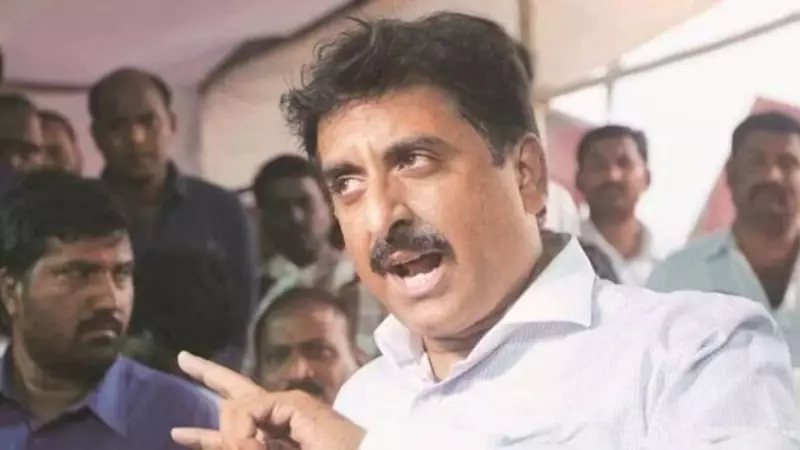
Just weeks before the election results, AIMIM appeared to be grappling with significant internal challenges. On January 7, Maharashtra AIMIM president Imtiaz Jaleel faced physical confrontation from disgruntled party supporters during campaigning in Baijipura, Chhatrapati Sambhajinagar. The incident exposed simmering anger over ticket distribution for the municipal elections.
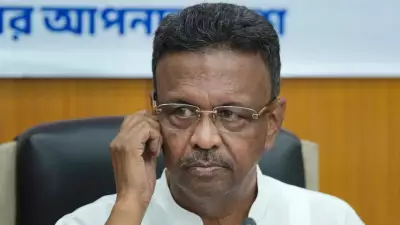
Earlier, on December 28, the party's Mumbai city president Farooq Shabdi resigned with an emotional message, hinting at friction with state leadership. These episodes highlighted organizational disarray within a party that commands considerable attention in Maharashtra's political landscape despite its limited geographical footprint.

Yet the mood transformed dramatically when results were announced. Jaleel stood before cheering supporters, flexing his arm in a traditional wrestler's gesture of confidence. The AIMIM had secured 126 corporator seats across 13 municipal corporations throughout Maharashtra.
Impressive Electoral Numbers
The party's performance proved particularly striking when compared with established political players. AIMIM's tally nearly tripled that of the Sharad Pawar-led Nationalist Congress Party (SP). The Owaisi-led party finished just thirty seats behind the Uddhav Thackeray-led Shiv Sena (UBT), marking a significant achievement for a regional party with concentrated support bases.
AIMIM doubled its previous strength while expanding its presence across urban local bodies. The party emerged as one of the biggest gainers in Maharashtra's municipal corporation elections.
Geographical Spread of Victories
The party delivered its strongest performance in Sambhajinagar, formerly known as Aurangabad, winning thirty-three seats in the 115-member civic body. This city has long been central to AIMIM's rise in Maharashtra and represents the political base of state party chief Imtiaz Jaleel, who has served as both MP and MLA from the area.
Beyond Sambhajinagar, AIMIM secured seats across multiple corporations:
- 21 seats in Malegaon
- 14 seats in Nanded
- 13 seats in Amravati
- 10 seats in Dhule
- 8 seats each in Solapur and Mumbai
- 6 seats in Nagpur
- 5 seats in Thane
- 3 seats in Akola
- 2 seats each in Ahilyanagar and Jalna
- 1 seat in Chandrapur
Mumbai Breakthrough
In Mumbai, the party recorded a sharp rise from just two seats in 2017 to eight seats this year. Most victories came from Govandi and adjoining Cheeta Camp areas in the eastern suburbs. This belt, located near the Deonar dumping ground, represents one of the city's most densely populated and economically marginalized zones with a substantial Muslim population.
The AIMIM largely displaced the Uttar Pradesh-based Samajwadi Party (SP) in these areas, winning five seats that had previously been SP strongholds. Of its eight Mumbai corporators, seven identify as Muslim and one as Dalit.
Understanding AIMIM's Support Base
The municipal corporation results underscore the steady, though geographically limited, growth of AIMIM in Maharashtra. The party operates without a strong cadre structure and faces frequent defections, yet maintains a dedicated support base.
Muslims, who constitute 11.54% of Maharashtra's population according to the 2011 Census, form the core of AIMIM's electoral support. In Mumbai, Muslims represent over 20% of the population, while in Malegaon they exceed 75%. Both areas have emerged as key centres for the party's expansion.
AIMIM has effectively tapped into a sense of political underrepresentation among sections of Muslim voters, particularly youth who feel mainstream parties have failed to address community concerns or speak forcefully against perceived injustices. This sentiment reflects in the party's elected representatives, with a majority of corporators under forty years of age.

Historical Context of Growth
Maharashtra has long provided space for AIMIM to expand beyond its Hyderabad stronghold. The party's earliest and most natural entry point was Marathwada, a region with historical and cultural links to Telangana. Districts including Jalna, Hingoli, Parbhani, Osmanabad, Beed, Aurangabad, Nanded and Latur were once part of the Nizam's dominion and continue sharing social and political ties with Hyderabad.
For many towns in Marathwada, Hyderabad remains geographically and culturally closer than Mumbai. This proximity allowed AIMIM to maintain activity in local body elections since the 1990s, though for years the party struggled to convert presence into electoral success.
The breakthrough arrived in 2012 when AIMIM won eleven seats in Nanded Waghala Municipal Corporation elections. The party secured two Assembly seats in Maharashtra in 2014, one each in Mumbai and Marathwada. In Aurangabad that year, AIMIM emerged as principal opposition to the BJP-Shiv Sena combine in the municipal corporation, winning twenty-five seats and pushing Congress and the then-undivided NCP to the margins.
Recent Political Journey
AIMIM subsequently partnered with the Prakash Ambedkar-led Vanchit Bahujan Aghadi (VBA), a collaboration that culminated in Imtiaz Jaleel winning the Aurangabad Lok Sabha seat in 2019. Months later, however, the party suffered setbacks in Assembly elections, losing its seats in Mumbai and Aurangabad Central while retaining Malegaon Central and registering a surprise win in Dhule.
In the 2024 Assembly elections, AIMIM was reduced to just Malegaon Central. Internal strains have become increasingly visible in recent years. While Asaduddin Owaisi remains the party's tallest national leader and Jaleel its face in Maharashtra, the organization has witnessed frequent defections and factional tensions.
Political Positioning and Criticism
Critics argue that while AIMIM speaks forcefully against the BJP, its presence in multi-cornered contests often splits opposition votes, indirectly benefiting the ruling party. This concern surfaced sharply during the 2024 elections when prominent cleric Maulana Shaikh Khalil-ur-Rahman Sajjad Nomani released a list of preferred candidates largely from the opposition Maha Vikas Aghadi (MVA), excluding all but two from AIMIM.
Despite these challenges, the current civic body results validate AIMIM's political positioning in Maharashtra according to party leaders. They argue that a perception of ideological firmness in standing against the BJP has helped the party retain credibility among core voters.
The AIMIM's performance demonstrates its resilience amid internal challenges and its ability to connect with specific voter segments seeking assertive political representation. The municipal election results mark a significant milestone for a party that continues to expand its influence in Maharashtra's complex political landscape.