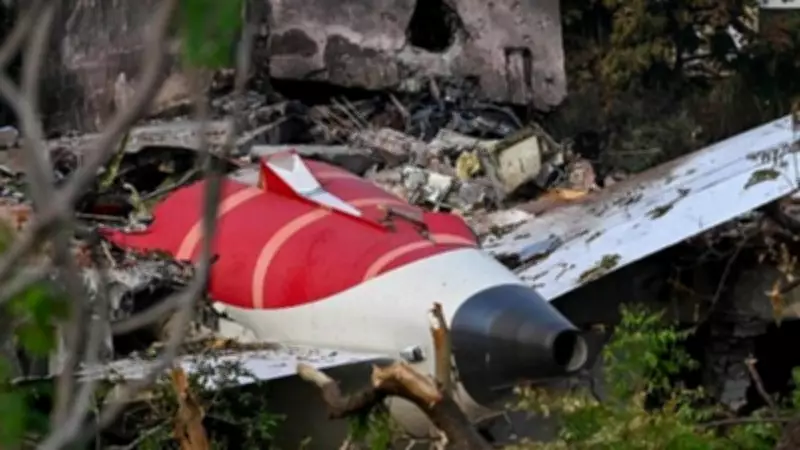
Inside the Cockpit: How Air India's Boeing Dreamliner Flight Ended in Disaster
Investigators have released a detailed sequence of events leading to the catastrophic crash of an Air India Boeing 787 Dreamliner on June 12, 2025. The preliminary report, published on July 12, 2025, provides a second-by-second account of the final moments of the flight, which originated from Ahmedabad and ended in tragedy.
The Critical Moments
According to the report, the aircraft experienced a series of anomalies shortly after departure. Here is the sequence of events as outlined by investigators:
- Departure: The flight took off from Ahmedabad's Sardar Vallabhbhai Patel International Airport at 14:32 local time under clear weather conditions.
- First Sign of Trouble: At 14:47, the cockpit crew reported a minor fluctuation in the number 2 engine's oil pressure. The flight data recorder (FDR) confirmed a 2% drop from normal parameters.
- Escalation: By 14:52, the same engine began showing erratic thrust readings. The crew initiated standard emergency checklists and communicated with air traffic control (ATC).
- System Failure: At 14:58, the aircraft's primary flight display (PFD) indicated a loss of hydraulic pressure in one of the three systems. The autopilot disengaged automatically.
- Final Maneuvers: Between 15:01 and 15:04, the crew attempted to divert to an alternate airport. However, the aircraft entered an uncontrolled descent. The cockpit voice recorder captured the pilot's final call: "Mayday, mayday, we have a total hydraulic failure."
- Impact: At 15:06, the Dreamliner crashed into a rural area approximately 40 kilometers southwest of Ahmedabad, killing all 248 passengers and 12 crew members on board.
Investigation Findings
The preliminary report highlights several contributing factors:

- Design Flaw: Investigators found a potential manufacturing defect in a hydraulic pump seal, which may have led to rapid fluid loss.
- Maintenance Oversight: Records showed that the aircraft had undergone routine maintenance three days prior, but a non-critical warning related to the hydraulic system was not fully addressed.
- Crew Response: While the crew followed standard procedures, the report notes that the speed of the hydraulic failure left minimal time for corrective action.
Aftermath and Recommendations
The crash has prompted Boeing to issue a safety bulletin for all Dreamliner operators, advising inspections of the hydraulic system. India's Directorate General of Civil Aviation (DGCA) has grounded all 787s operated by Indian carriers pending further checks. Families of the victims have been notified, and compensation proceedings are underway.
The final report is expected within 12 months, with investigators focusing on the exact cause of the hydraulic failure and potential improvements in emergency procedures.